






What's Happening?
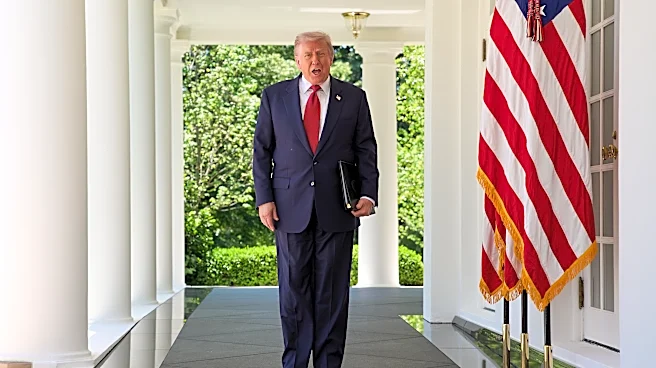
U.S. President Donald Trump has successfully brokered a temporary ceasefire between Russia and Ukraine, scheduled from May 9 to May 11, 2026. The agreement includes a prisoner exchange, with each country releasing 1,000 prisoners. This development follows
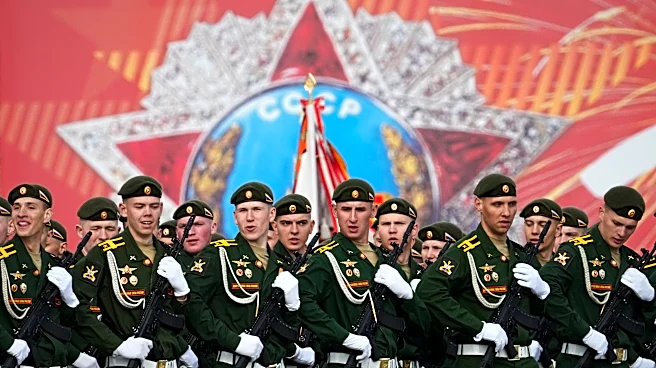
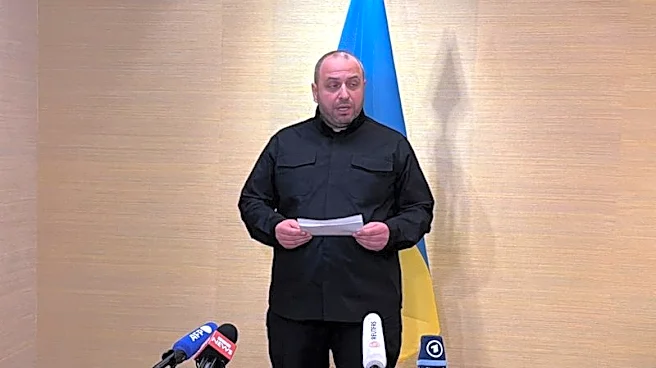
stalled negotiations and ongoing conflict since Russia's full-scale invasion of Ukraine in February 2022. The ceasefire coincides with Russia's Victory Day celebrations, a significant national holiday. Both Russian President Vladimir Putin and Ukrainian President Volodymyr Zelenskyy have agreed to the terms, although there is caution regarding Russia's adherence to the ceasefire.
Why It's Important?
The ceasefire is a critical step in U.S.-led diplomatic efforts to de-escalate the conflict between Russia and Ukraine. It underscores the U.S.'s role as a mediator in international conflicts and its commitment to peacekeeping. The prisoner exchange is a humanitarian effort that could improve bilateral relations. However, the skepticism about Russia's commitment highlights the challenges in achieving a lasting peace. The ceasefire's alignment with Russia's Victory Day adds a symbolic dimension, as it is a day of national pride and military display for Russia.
What's Next?
The effectiveness of the ceasefire will depend on both parties' adherence to the agreement. The U.S. is expected to monitor compliance and may need to facilitate further negotiations. The international community will be watching closely, and any violations could lead to renewed conflict. The outcome of the ceasefire could influence future diplomatic efforts and the geopolitical dynamics in the region.