






What's Happening?
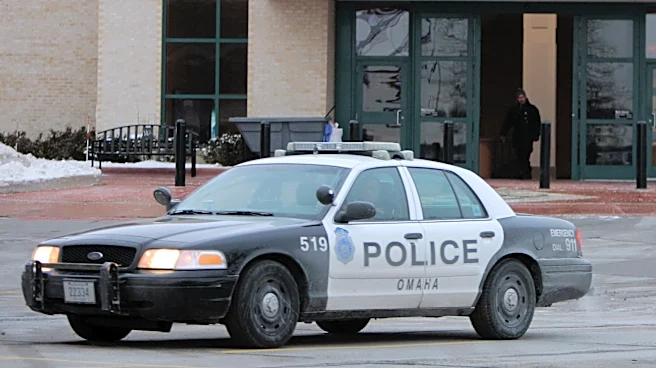
A communication breakdown has emerged between Omaha Public Schools (OPS) and the Omaha Police Department (OPD) regarding the use of electric shock gloves, known as G.L.O.V.E.s, by School Resource Officers (SROs). OPS Superintendent Matthew Ray stated
he was unaware of the gloves' deployment, asserting that district leadership and the board should have been informed. However, emails obtained by KETV Investigates reveal that communication about the shock gloves began in January 2023, with an OPD lieutenant introducing them to several school districts, including OPS. The emails indicate that an OPS school safety supervisor was included in these communications and was reportedly 'already aware' of SROs at Bryan Middle and High School possessing the gloves. OPD Chief Todd Schmaderer defended his department, stating the communication breakdown was not on their end and expressed frustration over what he described as an 'unnecessary and undeserving vilification' of the SRO program.
Why It's Important?
This dispute highlights significant issues in inter-agency communication and transparency, particularly concerning the use of force in school environments. The deployment of electric shock gloves by SROs raises concerns among parents, students, and school administrators about student safety and the appropriate level of force in educational settings. The differing accounts from OPS and OPD leadership underscore a lack of clear protocols for introducing new law enforcement tools into schools, potentially eroding trust between the institutions and the community they serve. The incident also brings to the forefront the broader debate about the role of SROs in schools and the balance between maintaining order and ensuring a safe, non-punitive learning environment for students. The use of such devices can have profound psychological and physical impacts on students, especially those with behavioral challenges.
What's Next?
The Omaha Public Schools will likely conduct an internal review to understand where communication failed within their organization, as suggested by Superintendent Ray. This review may lead to revised protocols for how new law enforcement tools or policies affecting SROs are communicated to and approved by district leadership. The Omaha Police Department may also re-evaluate its communication strategies with partner institutions to ensure clarity and avoid future misunderstandings. Public and parental pressure will likely continue to influence decisions regarding the use of shock gloves and other controversial tools in schools. The ongoing dialogue between OPS and OPD will be crucial in rebuilding trust and establishing clear guidelines for SRO conduct and equipment in educational settings, potentially leading to a definitive policy on the use of such devices.
Beyond the Headlines
The controversy surrounding the shock gloves in Omaha Public Schools extends beyond a mere communication error; it delves into the fundamental philosophy of school safety and discipline. The use of such devices, even in situations involving student aggression, raises ethical questions about the criminalization of student behavior and the potential for disproportionate responses. This incident could fuel a national conversation about the militarization of school environments and the role of law enforcement in student discipline, particularly for vulnerable populations. It also highlights the need for comprehensive training for SROs that emphasizes de-escalation techniques and an understanding of child psychology, rather than relying solely on physical restraint or less-lethal weapons. The long-term implications could include a re-evaluation of SRO programs nationwide and a push for alternative, more restorative approaches to school safety.