


What's Happening?
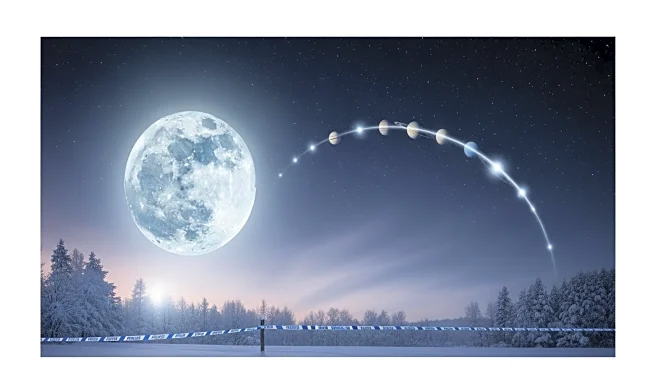
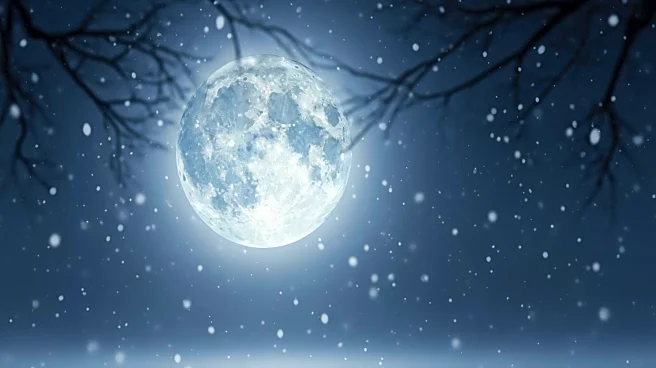
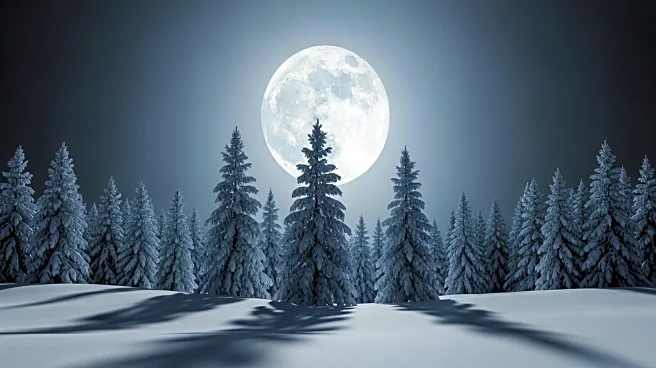
The Snow Moon, February's full moon, will reach its peak fullness on February 1, 2026, at 5:09 p.m. ET. This celestial event is one of the most accessible sky events of the month, as the moon will appear nearly full to observers for several nights. The Snow Moon is named
for the typical snowy conditions in North America during February. The full moon will be visible from dusk onward, providing a bright and illuminated view that can wash out faint stars but is ideal for casual viewing and photography. Observers are encouraged to view the moon near the horizon for a dramatic effect and use binoculars to enhance the experience.
Why It's Important?
The Snow Moon offers a unique opportunity for both amateur and seasoned sky watchers to engage with a natural phenomenon that is both visually striking and culturally significant. The event underscores the importance of lunar cycles in various cultural traditions, particularly in North America where the Snow Moon name reflects the winter season. This full moon can also serve as an educational moment, encouraging interest in astronomy and the natural world. Additionally, the bright moonlight can impact nocturnal wildlife and human activities, such as stargazing, by reducing visibility of fainter celestial objects.
What's Next?
Following the Snow Moon, the lunar cycle will transition into its waning phases, with the third quarter moon occurring on February 9, 2026, and the new moon on February 17, 2026. These phases will offer darker skies, ideal for stargazing and observing deep-sky objects. The period around the new moon is particularly favorable for night-sky photography and meteor watching, assuming clear weather conditions. This cycle of lunar phases continues to influence various cultural and scientific activities, highlighting the ongoing relevance of lunar observations.