






What's Happening?
The Department of Defense has significantly reduced the number of religious faiths and belief systems it recognizes in its personnel records, cutting the list from 211 to just 31. This change, outlined in a memo by Under Secretary of Defense for Personnel
and Readiness Anthony Tata, is described as an administrative update aimed at making the system more manageable. The revised list includes 22 Christian denominations, as well as agnostic, Bahai, Buddhism, Hindu, Islam, Judaism, Sikh, 'no religion', and 'other religion'. The decision to streamline the list is intended to help military chaplains provide better spiritual care by allowing them to quickly assess the religious composition of their units. The previous system, expanded in 2017, included a wide range of faiths, including Druids and Wiccans, which the Pentagon now considers impractical.
Why It's Important?
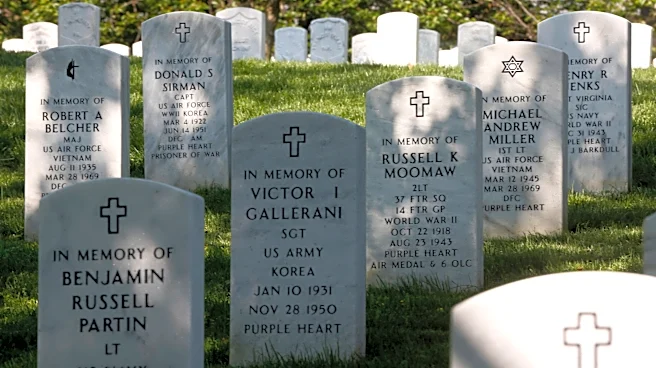
This reduction in recognized religious identities is significant as it reflects a shift in how the military approaches religious diversity and support. By focusing on a more concise list, the Department of Defense aims to enhance the efficiency of its chaplaincy services, ensuring that resources are better allocated to meet the spiritual needs of service members. However, this move may also raise concerns about the inclusivity of less common faiths and the potential marginalization of service members who identify with those beliefs. The decision underscores the ongoing balancing act between administrative efficiency and the recognition of diverse religious practices within the military.
What's Next?
The Department of Defense has set a 60-day timeline for implementing these changes, as directed by the heads of Defense Human Resources Activity and Defense Manpower Data Center. As the military adapts to this new system, it will be important to monitor how these changes affect the delivery of religious support services. Stakeholders, including military chaplains and service members, may provide feedback on the impact of these changes, potentially leading to further adjustments. Additionally, there may be discussions within the military community about the implications for religious freedom and diversity.