


What's Happening?
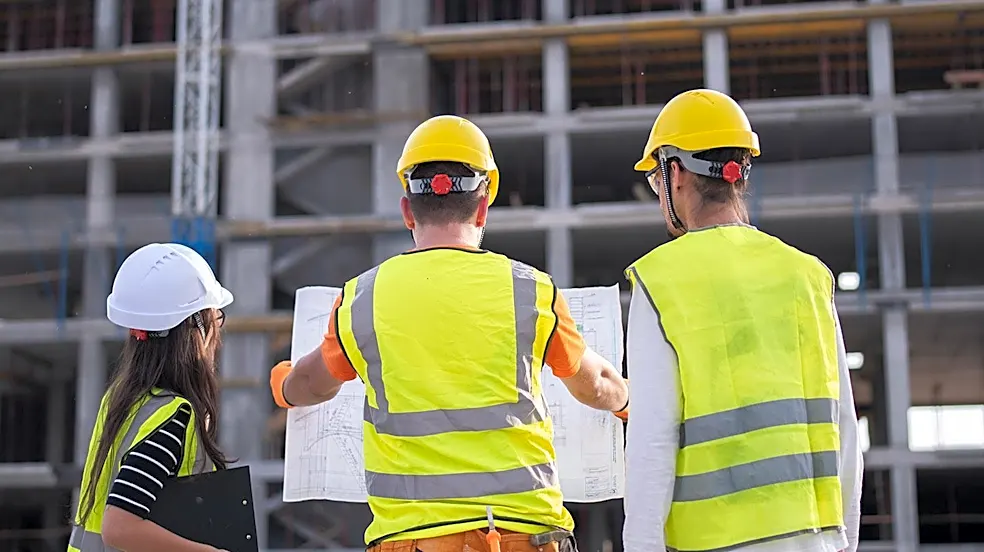
High school students in Central Wisconsin are gaining valuable career skills and contributing to affordable housing through a partnership between Habitat for Humanity of Wausau and three local high schools: D.C. Everest Senior High School, Mosinee High School, and Merrill
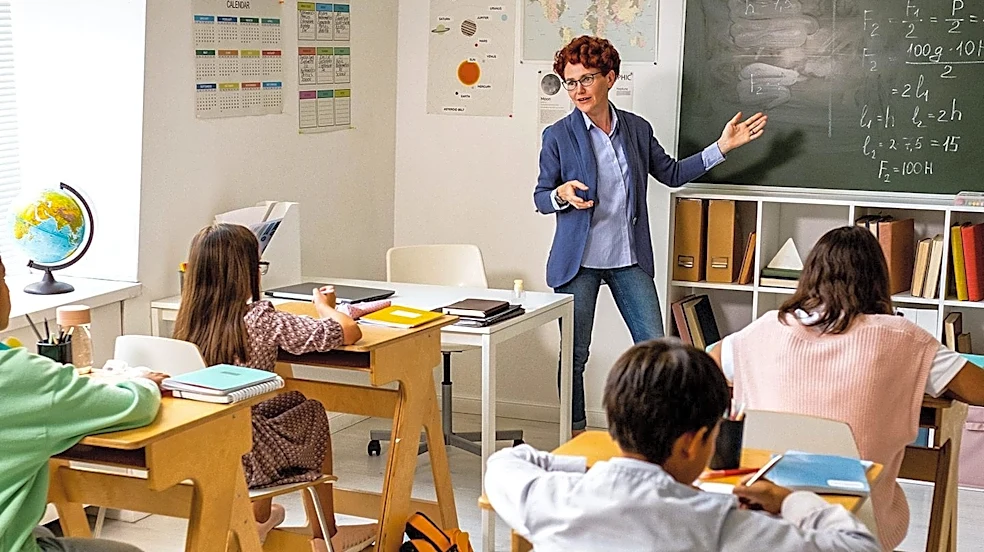
Senior High School. This school year, students are actively building three homes that will eventually be moved to permanent locations and purchased by local families. The program, which began in 1998 with Northcentral Technical College and evolved to include high school campuses, provides students with hands-on experience in various construction trades, including layout, framing, roofing, drywall installation, and safety practices. Habitat for Humanity supplies building plans and materials, acts as the certified dwelling contractor, and covers the costs of moving the completed homes. Schools provide class time, instructors, and a build platform on school grounds, fostering a unique educational model that connects classroom learning with tangible community impact.
Why It's Important?
This initiative is crucial for addressing the skilled trades gap in the U.S. while simultaneously providing affordable housing solutions. By offering practical, real-world construction experience, the program helps students explore potential career paths in the trades, which are often in high demand. This hands-on learning approach can lead to more informed decisions about future employment, apprenticeships, or technical education, potentially reducing the number of students who enter college without a clear career direction. Furthermore, the program instills a sense of community responsibility and civic engagement, as students directly contribute to improving housing accessibility for local families. For Habitat for Humanity, the partnership expands its capacity to build homes and leverages community resources, demonstrating an effective model for collaborative problem-solving between educational institutions and non-profit organizations.
What's Next?
The success of this partnership in Central Wisconsin could serve as a model for other communities across the U.S. looking to strengthen career and technical education while addressing local housing needs. Continued collaboration between schools and organizations like Habitat for Humanity is likely to expand, potentially leading to more widespread adoption of similar programs. Students who participate will leave with practical skills, connections to local subcontractors, and often job offers, directly impacting the local workforce. The program's long-term impact could include a more robust pipeline of skilled tradespeople, contributing to economic development and stability in the region. Additionally, the visibility of these student-built homes may inspire further community support and investment in both vocational training and affordable housing initiatives.
Beyond the Headlines
This program transcends traditional educational boundaries by integrating vocational training with social impact. It highlights the value of experiential learning, where students not only acquire technical skills but also develop critical soft skills such as teamwork, problem-solving, and responsibility. The 'I built that' sentiment, as described in the source, fosters a profound sense of accomplishment and pride, which can be a powerful motivator for young people. Ethically, the initiative promotes equity by contributing to affordable homeownership, addressing a fundamental societal need. Culturally, it challenges the perception that vocational training is a lesser alternative to traditional college education, elevating the importance and dignity of skilled trades. This model demonstrates how education can be a direct catalyst for community development, creating a lasting legacy for both the students and the families they serve.