





What's Happening?
More than three months after Houston Mayor John Whitmire issued an executive order mandating a base pay increase to $20 an hour for airport contractors, the Service Employees International Union (SEIU) reports that several companies have not complied.
The order, issued on August 12, directed contractors to immediately raise base pay by 33%, with further incremental increases planned. The SEIU Texas chapter, representing numerous employees in passenger service, cleaning, and baggage operations at Houston's airports, identified at least four companies—ABM, Brown Aviation, Menzies, and Unifi—as not having implemented the $20 hourly wage as of Friday. Unifi, a major aviation services provider, directly employs over 1,000 SEIU members. One such employee, Augusta Dillon, stated she is struggling financially on her current $16.75 hourly wage, facing potential eviction and car repossession. ABM, one of the named companies, stated its policy is to comply with client agreements, union agreements, and all applicable laws. Mayor Whitmire acknowledged the issue, stating that while most vendors are compliant, a few are resisting, and he is committed to resolving the problem.
Why It's Important?
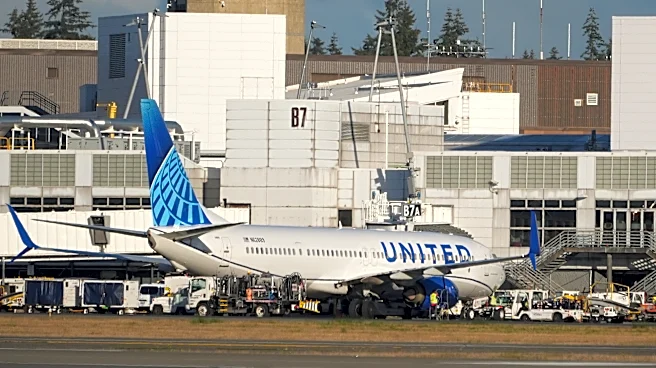
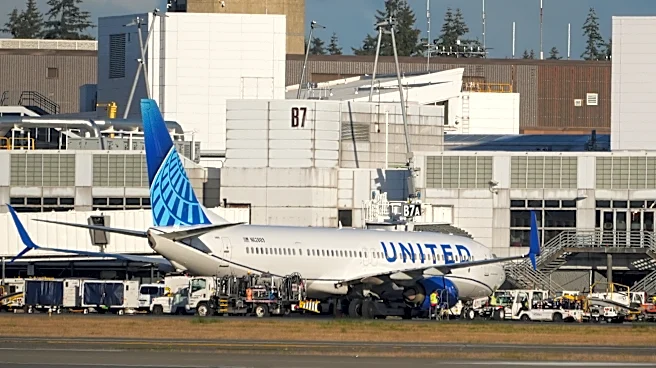
This situation highlights a significant challenge in enforcing executive orders aimed at improving worker wages and conditions, particularly when third-party contractors are involved. The non-compliance by several companies directly impacts the financial well-being of numerous airport workers, many of whom are struggling with basic living expenses. The union's allegations underscore potential gaps in oversight or enforcement mechanisms for mayoral directives. If these companies continue to resist the pay raise, it could undermine the authority of the Mayor's office and set a precedent for other businesses to disregard similar mandates. The struggle faced by workers like Augusta Dillon illustrates the real-world consequences of delayed or denied wage increases, affecting their ability to afford housing, transportation, and care for their families. This issue also brings into question the responsibility of larger entities, such as United Airlines, which contracts some of these services, in ensuring their vendors adhere to local labor regulations and directives.
What's Next?
SEIU members, including Augusta Dillon, plan to present their grievances directly to Mayor Whitmire and the Houston City Council during an upcoming public comment session. This public forum will likely intensify pressure on the non-compliant companies and prompt further action from the Mayor's office. Mayor Whitmire has already stated his commitment to resolving the issue, indicating that further enforcement measures or negotiations may be pursued. The involvement of United Airlines, which reportedly faces difficulties with some vendors, suggests that the airline may also be drawn into finding a resolution. Future steps could include direct intervention from the city, potential legal challenges from the union, or renewed negotiations between the contractors and the union, possibly mediated by the city. The outcome will likely set a precedent for how similar executive orders regarding worker wages are enforced in Houston and potentially other municipalities.
Beyond the Headlines
This dispute extends beyond immediate wage compliance, touching upon broader themes of labor rights, corporate accountability, and the effectiveness of local government in protecting its workforce. The resistance from contractors, despite a clear mayoral order, raises questions about the balance of power between municipal authorities and private corporations, especially those operating critical public infrastructure like airports. It also highlights the vulnerability of contract workers, who often lack the direct employment benefits and protections of full-time staff. The situation could spark a wider debate on the role of executive orders in labor policy and whether stronger legislative measures are needed to ensure compliance. Furthermore, the economic struggles of airport workers, who are essential to the functioning of a major city's transportation hub, underscore systemic issues of low wages in service industries and the ongoing challenge of achieving a living wage for all workers.