



What's Happening?
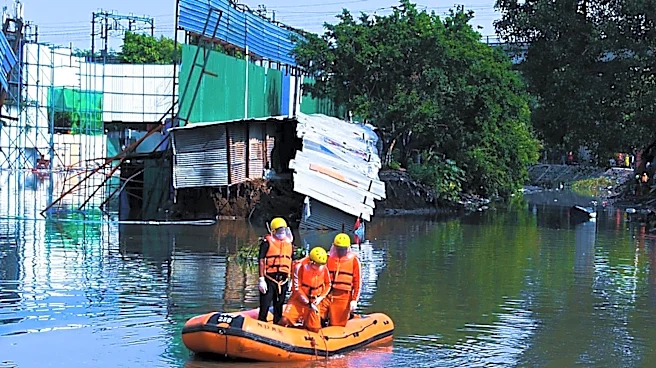
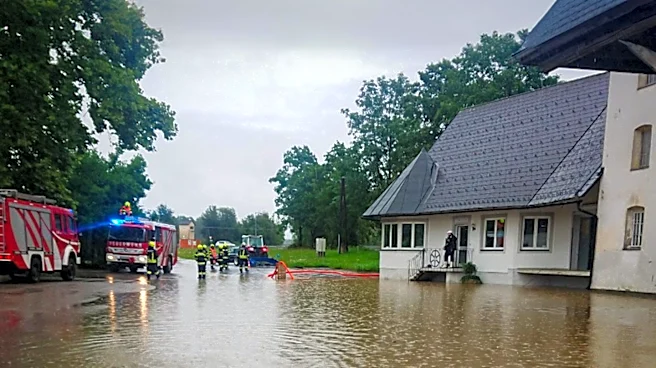
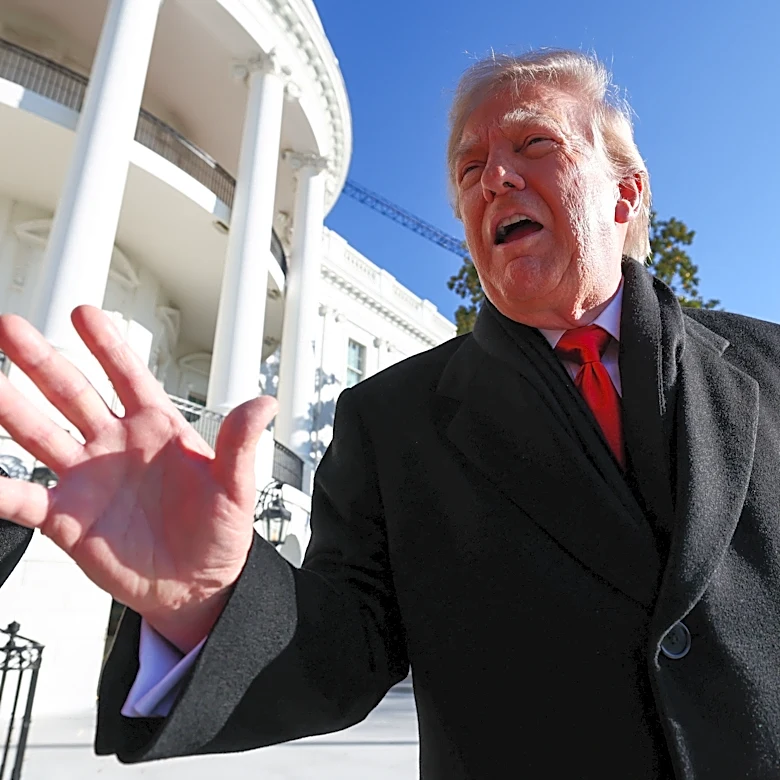
U.S. Congressman Eli Crane (R-AZ-02) recently visited Camp Verde, Arizona, to assess the damage and immediate needs following severe flooding in the region. His office reported that he and his staff met with law enforcement, first responders, and community
leaders across his district, from Prescott to Kayenta. Crane emphasized his commitment to pursuing all available avenues of support for those affected by the floods. Earlier in the week, Congressman Crane also met with Flagstaff Mayor Becky Daggett and City Manager Joanne Keene to discuss storm recovery, the Big Fill Lake project, and the Rio de Flag flood-control project, which aims to mitigate flood risks in downtown Flagstaff and near Northern Arizona University. Damage assessments are still in their early stages, and Crane's office is in communication with FEMA, Governor Katie Hobbs' office, tribal leaders, and local officials to support potential major disaster declaration requests.
Why It's Important?
Congressman Crane's visit and outlined recovery efforts are crucial for the affected communities in Arizona, as they signal direct federal attention and support for disaster relief. His advocacy for a major disaster declaration could unlock significant federal resources for recovery and rebuilding. The proposed Rural Disaster Fairness Act of 2026 (H.R. 10754) is particularly important for counties with limited taxable property, as it aims to adjust FEMA's public-assistance damage threshold. This legislation could provide a more equitable pathway for federal aid to rural areas where extensive federal land ownership limits local tax revenues for emergency response. Furthermore, the Water Resources Development Act of 2026 (H.R. 9497) includes substantial environmental infrastructure authorizations for Arizona communities, which are vital for long-term resilience against future natural disasters.
What's Next?
The immediate next steps involve continued damage assessments and ongoing communication between Congressman Crane's office, FEMA, Governor Hobbs' office, and local leaders to determine the necessity and scope of a major disaster declaration. If a request for a major disaster declaration is submitted, Congressman Crane will advocate for its prompt approval by the President. The Rural Disaster Fairness Act of 2026 (H.R. 10754) will proceed through the House Transportation and Infrastructure Committee, where it will undergo further review and potential amendments. Similarly, the San Carlos Irrigation Project Divestiture Act of 2026 (H.R. 10864) will be considered by the House Natural Resources Committee. These legislative efforts will determine the future framework for disaster assistance and infrastructure development in Arizona.
Beyond the Headlines
The legislative initiatives highlighted by Congressman Crane, particularly the Rural Disaster Fairness Act, point to a broader discussion about the equity and effectiveness of federal disaster relief policies in areas with unique land ownership structures. The proposal to adjust FEMA's per capita indicator for counties with significant federal land holdings addresses a systemic challenge faced by many rural communities across the U.S. This could set a precedent for how federal aid is distributed, potentially leading to a more nuanced approach that considers local economic realities beyond simple population metrics. The focus on transferring the San Carlos Irrigation Project's electrical system out of federal ownership also reflects a growing trend towards local control and management of critical infrastructure, aiming to improve service delivery and address aging systems more efficiently.