
What's Happening?
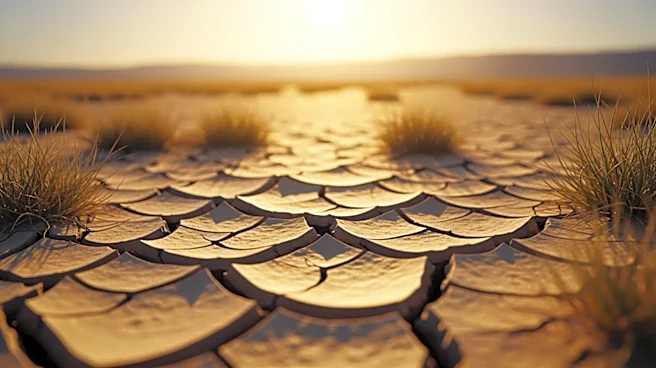
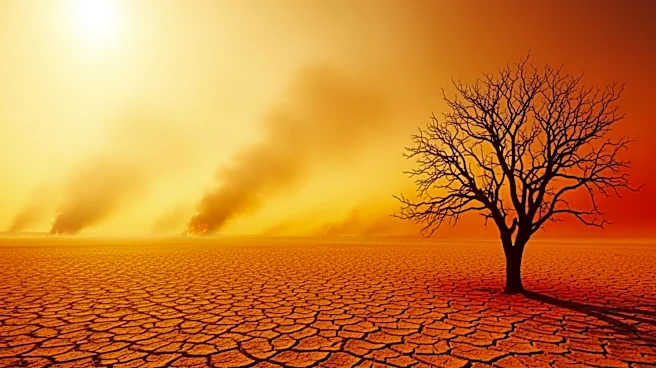
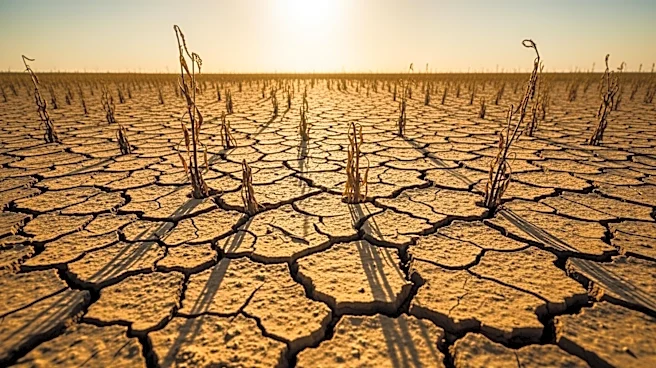
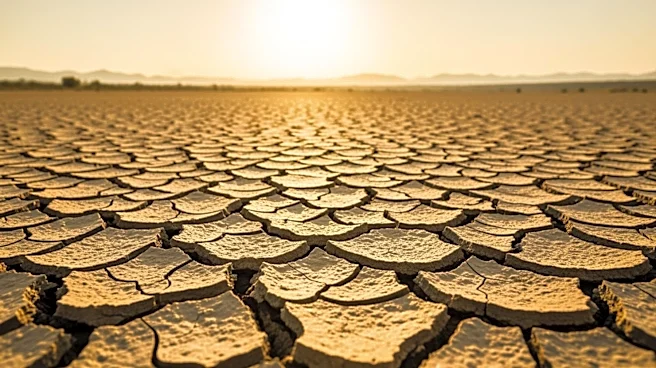
Florida is experiencing one of its most severe droughts since 2012, with nearly 80% of the state facing 'extreme' drought conditions as of April 2026. The drought has intensified since January 2026, affecting groundwater supplies crucial for drinking
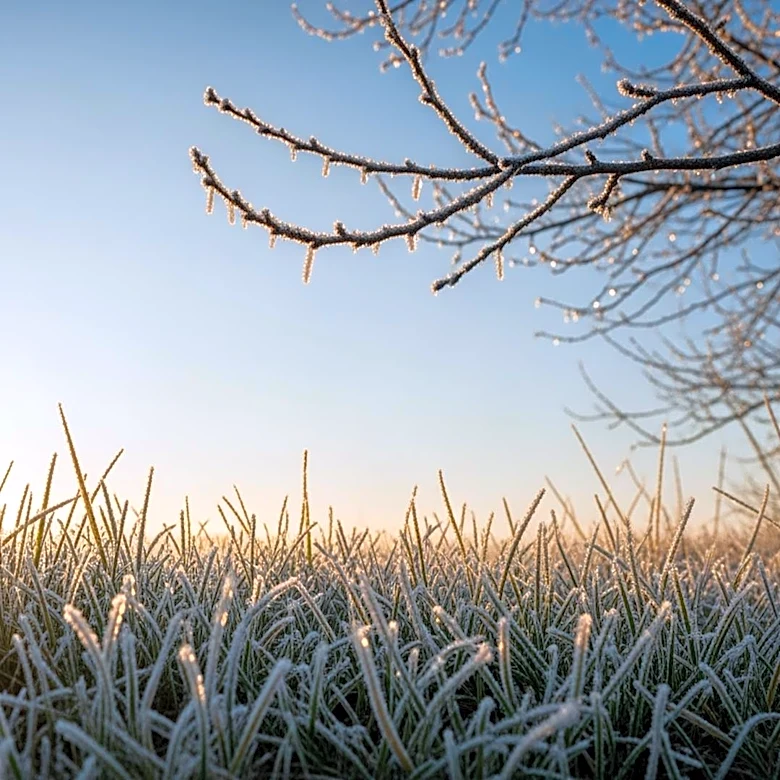
water and agriculture. The U.S. Drought Monitor reports that many areas have received less than half their normal rainfall since September 2025. This has led to water usage restrictions in several districts, impacting activities like lawn watering and car washes. The drought poses a significant threat to crops, many of which were already damaged by hard freezes earlier in the year. Additionally, large wildfires have erupted, and even the Everglades are experiencing unusually dry conditions.
Why It's Important?
The drought in Florida has significant implications for the state's agriculture, economy, and environment. With water restrictions in place, farmers face challenges in maintaining crop yields, potentially leading to economic losses and higher food prices. The dry conditions also increase the risk of wildfires, threatening homes and natural habitats. The Everglades, a critical ecosystem, is under stress, which could have long-term environmental impacts. The drought highlights the vulnerability of Florida's water resources and the need for sustainable water management practices to mitigate future risks.
What's Next?
Forecasters predict a slow-moving rainstorm may provide some relief to the drought-stricken areas of Florida. However, long-term solutions are necessary to address the underlying issues of water scarcity. Policymakers and water management authorities may need to implement more stringent water conservation measures and invest in infrastructure to improve water storage and distribution. The situation also calls for increased research and investment in drought-resistant crops and technologies to support farmers in adapting to changing climate conditions.