







What's Happening?
A report by Oxford Economics highlights that Europe is likely to experience the most significant food price shock among G7 economies due to climate events. The report suggests that severe climate-related disruptions could increase food prices in the euro
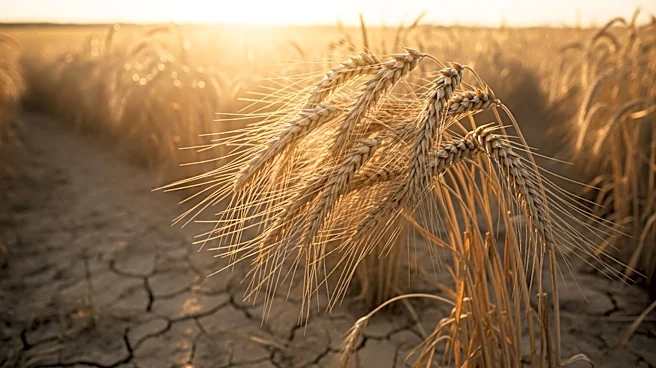
area by 1.6 percentage points annually, translating to a 0.6 percentage point rise in headline inflation. This is attributed to natural disasters and heat waves causing harvest failures, infrastructure damage, and supply chain disruptions. The report notes that Europe is more sensitive to global market fluctuations compared to other G7 economies, with recent extreme weather events already causing notable price spikes in commodities like coffee and cocoa.
Why It's Important?
The potential for significant food price increases in Europe underscores the broader economic risks posed by climate change. Rising food costs can lead to increased inflationary pressures, challenging central banks' efforts to maintain price stability. For the U.S., while the direct impact may be less severe, global market interconnections mean that disruptions in Europe could still affect American consumers and businesses. The report emphasizes the need for central banks to incorporate climate-related risks into their economic assessments and policy decisions, highlighting the importance of proactive measures to mitigate the economic impacts of climate change.
What's Next?
As climate change continues to influence global weather patterns, central banks and policymakers may need to prioritize climate risk assessments in their economic planning. This could involve developing strategies to enhance the resilience of food supply chains and investing in sustainable agricultural practices. Additionally, international cooperation may be necessary to address the global nature of climate-related economic challenges. The findings of the report could prompt further research and policy discussions on how to effectively manage the economic risks associated with climate change, both in Europe and globally.