






What's Happening?
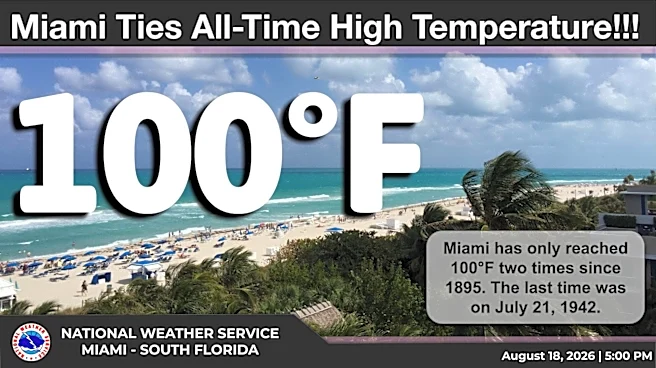
South Florida is currently under a NEXT Weather Alert due to dangerous heat conditions affecting the entire region. The alert indicates a significant risk from high temperatures, with no relief expected from storms or ocean breezes. This situation means
that residents across South Florida are experiencing extreme heat, which poses health risks, particularly for vulnerable populations. The lack of natural cooling factors like rain or sea air exacerbates the impact of the high temperatures, making it crucial for individuals to take precautions against heat-related illnesses.
Why It's Important?
The dangerous heat alert in South Florida is critically important due to the immediate health risks it poses to the population. Prolonged exposure to extreme heat can lead to heatstroke, heat exhaustion, and other severe health complications, especially for the elderly, young children, and individuals with pre-existing medical conditions. The absence of cooling mechanisms like rain or ocean breezes means that the body's natural ability to regulate temperature is severely challenged, increasing the likelihood of adverse health outcomes. This situation also impacts daily life, potentially disrupting outdoor activities, affecting local businesses that rely on outdoor operations, and straining public services such as emergency response and healthcare facilities. It underscores the growing challenge of managing extreme weather events in urban and coastal areas.
What's Next?
Residents in South Florida are advised to take immediate precautions, including staying hydrated, seeking air-conditioned environments, and avoiding strenuous outdoor activities during peak heat hours. Local authorities and health organizations will likely continue to issue public advisories and may open cooling centers to provide relief for those without access to air conditioning. Emergency services will remain on high alert for heat-related incidents. Businesses that operate outdoors may need to adjust working hours or implement additional safety measures for their employees. The duration of the heat alert will depend on meteorological forecasts, with residents urged to stay informed through local news channels and weather updates.
Beyond the Headlines
This dangerous heat event in South Florida highlights a broader pattern of increasing extreme weather occurrences, which are often linked to climate change. Such events place significant stress on urban infrastructure, public health systems, and local economies. The lack of natural relief mechanisms like sea breezes, which typically moderate coastal temperatures, suggests a more intense and potentially prolonged heat impact. This situation could prompt long-term planning for climate resilience in South Florida, including investments in green infrastructure, urban cooling strategies, and enhanced public health campaigns to educate residents on heat safety. It also raises questions about the sustainability of outdoor lifestyles and tourism in regions increasingly affected by extreme heat, potentially influencing future development and resource allocation.