




What's Happening?
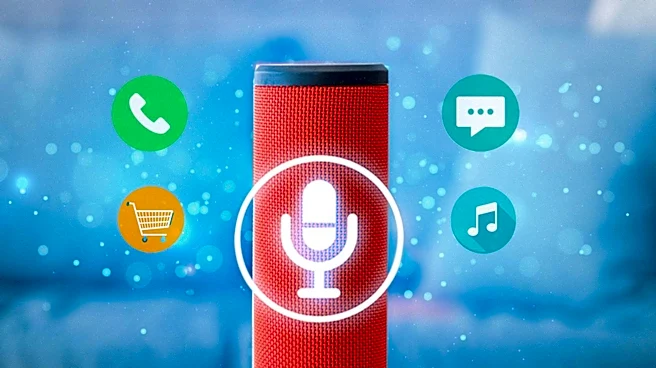
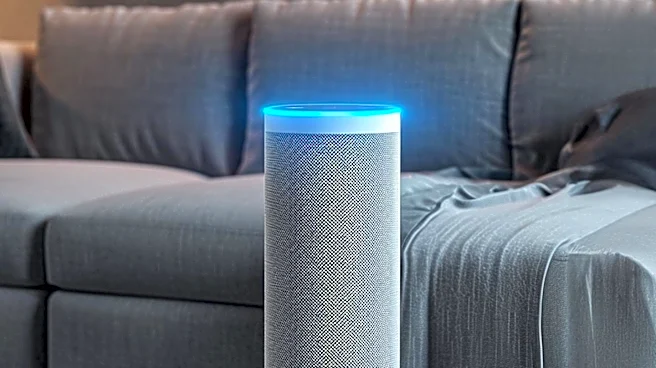
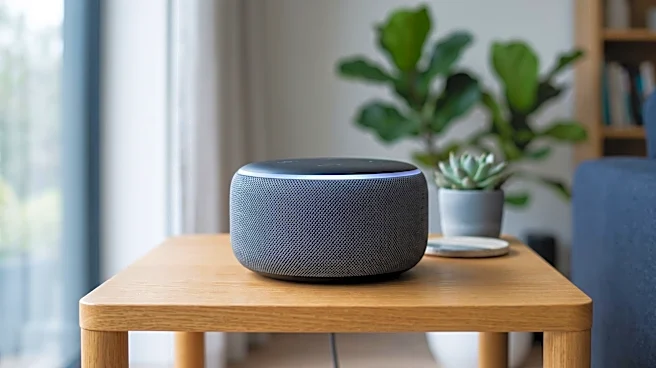
Users are experiencing issues controlling smart home devices via smart speakers after modifying device names within their primary app. This problem arises because changes made to device names in the app are not automatically synchronized with third-party
smart speaker platforms. According to the source, third-party smart speakers operate on closed platforms, preventing real-time updates from external apps. Consequently, for the smart speaker to recognize the new device name and resume control, users must rebind the third-party smart speaker to the primary app. Alternatively, users can rename devices directly within the smart speaker's application to achieve the desired control functionality.
Why It's Important?
This synchronization issue highlights a significant interoperability challenge within the smart home ecosystem, impacting user convenience and the overall adoption of smart technology in U.S. households. The inability of device names to automatically update across platforms creates friction for users who expect seamless integration and control. This can lead to frustration and a perception of smart home systems as unreliable or overly complex. For manufacturers, it underscores the need for improved communication protocols and open standards to ensure better compatibility between different devices and platforms. Addressing this issue is crucial for enhancing user experience, fostering greater trust in smart home technology, and driving market growth in the U.S., where consumers increasingly value ease of use and integrated solutions.
What's Next?
To resolve the control failures, users are advised to either rebind their third-party smart speaker to the primary app after renaming a device or to rename the device directly within the smart speaker's application. The source also suggests that when setting new names, users should choose names that are easily recognizable by the smart speaker to prevent command recognition failures. If these steps do not resolve the issue, users are encouraged to provide feedback through the app's feedback path. This ongoing challenge points to a need for industry-wide solutions that facilitate better synchronization and interoperability between smart home platforms, potentially through broader adoption of standards like Matter, which aims to simplify device setup and control across different ecosystems.
Beyond the Headlines
The problem of device name synchronization between smart home apps and third-party smart speakers touches upon the broader issue of data silos and proprietary ecosystems in the technology industry. While companies aim to create robust platforms, the lack of seamless data exchange can hinder the user experience and limit the full potential of interconnected devices. This situation can lead to consumer dissatisfaction and may even influence purchasing decisions, as users prioritize systems that offer greater flexibility and ease of integration. The long-term implication is a continued push towards more open standards and collaborative development among tech companies, driven by consumer demand for a truly unified smart home experience. This could eventually lead to a more competitive market where interoperability is a key differentiator, rather than a persistent challenge.