

What's Happening?
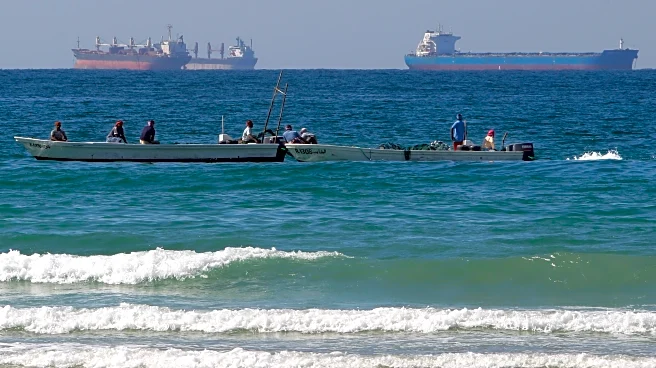
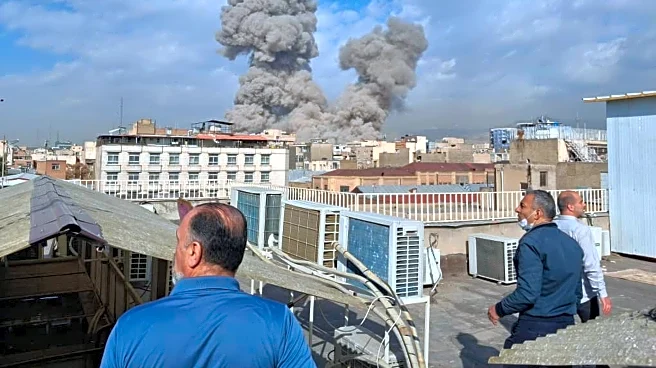
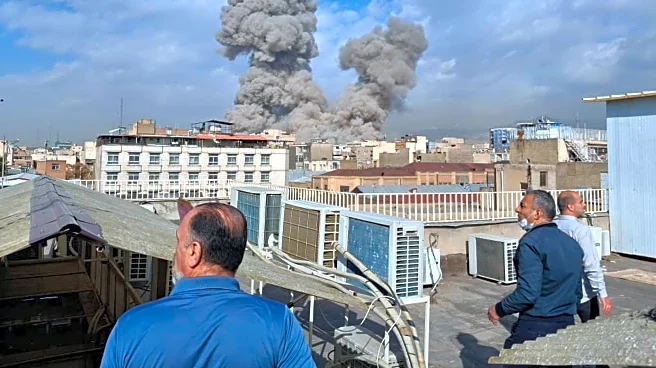
The Strait of Hormuz, a critical chokepoint for global oil supply, is facing significant disruptions following recent attacks. Tehran has warned ships against passing through the strait, and multiple vessels have come under fire, escalating tensions in the region.
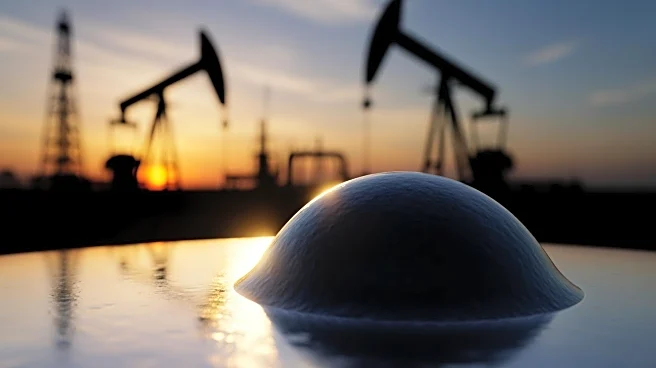
As a result, insurers have withdrawn coverage, and tanker traffic has stalled, leading to a spike in oil prices. Analysts from Wood Mackenzie and Rystad Energy warn that if the disruption persists, oil prices could exceed $100 per barrel. The situation is reminiscent of the early days of Russia's invasion of Ukraine, which also caused a surge in oil prices. OPEC+ has announced an increase in crude output by 206,000 barrels per day starting in April to stabilize the market, but the effectiveness of this measure is uncertain if the strait remains inaccessible.
Why It's Important?
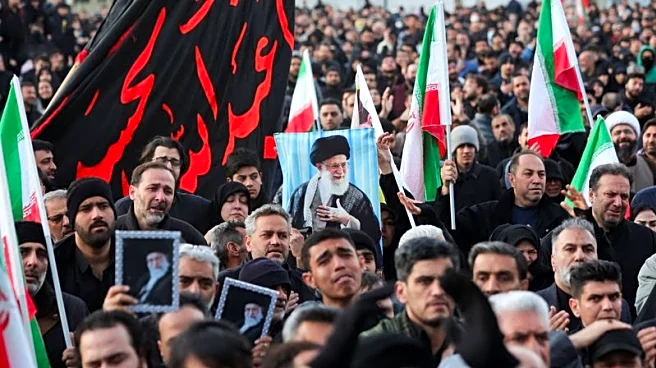
The disruption in the Strait of Hormuz has significant implications for global oil markets, as it is a vital passage for about 15 million barrels of crude oil daily. The potential increase in oil prices could have widespread economic impacts, affecting everything from transportation costs to consumer goods prices. Countries heavily reliant on oil imports, such as the United States, may face increased energy costs, which could contribute to inflationary pressures. Additionally, the geopolitical tensions in the region could lead to further instability, affecting global trade and economic growth. The situation underscores the vulnerability of global energy supply chains to regional conflicts and the importance of diversifying energy sources.
What's Next?
If the Strait of Hormuz remains closed or risky to navigate, alternative routes and supply sources will become crucial. Countries may need to increase reliance on strategic oil reserves or seek alternative suppliers to mitigate the impact of supply disruptions. The international community may also engage in diplomatic efforts to de-escalate tensions and ensure the safe passage of oil through the strait. Meanwhile, oil-producing countries may continue to adjust production levels to stabilize the market, but the effectiveness of these measures will depend on the resolution of the current conflict.