




What's Happening?
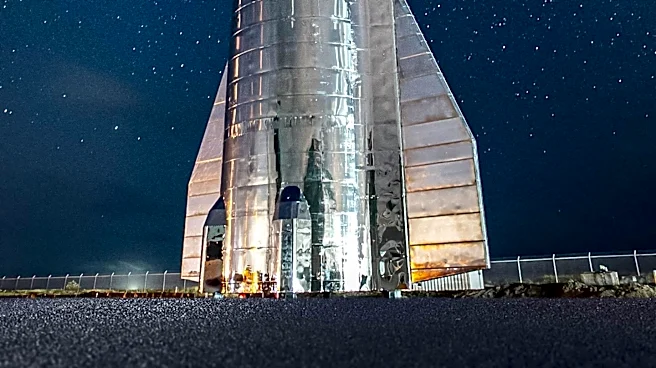
SpaceX is gearing up for Starship Flight 15, scheduled for Friday, November 13, with a 75-minute launch window opening at 5:45 p.m. EST from Starbase, Texas. This mission marks the 15th test flight of the reusable megarocket and its second orbital trip.
A primary objective of Flight 15 is to achieve a dual catch: the Super Heavy booster is expected to return to the launch tower approximately six and a half minutes after liftoff to be caught by its chopstick arms. This would be the first such catch for the new V3 booster. Following this, the Starship upper stage, or 'Ship,' will continue to orbit, deploying 26 next-generation Starlink V3 satellites. After approximately 14 orbits over 22 hours, Ship will attempt a landing maneuver over Starbase, aiming to be caught by the tower's arms. This would be the first time SpaceX attempts to catch the Ship stage, a critical step towards full reusability. Contingency plans are in place for Ship to perform a safe deorbit and splashdown in the Pacific if the catch conditions are not met.
Why It's Important?
The success of Starship Flight 15, particularly the dual catch of both the Super Heavy booster and the Starship upper stage, is paramount for SpaceX's long-term vision of a fully reusable space transportation system. Achieving this milestone would significantly reduce the cost and turnaround time for space launches, potentially revolutionizing space travel and satellite deployment. Full reusability is central to SpaceX's goals of making space access more routine and affordable, enabling ambitious projects like Mars colonization and large-scale satellite constellations. The ability to rapidly reuse both stages of the Starship system would drastically lower operational expenses, making frequent launches economically viable. This could accelerate advancements in space exploration, scientific research, and commercial space ventures, impacting industries from telecommunications to defense. The outcome of this flight will demonstrate the maturity of SpaceX's reusability technology and its potential to reshape the future of spaceflight.
What's Next?
Following the launch of Starship Flight 15, the immediate next steps involve closely monitoring the performance of both the Super Heavy booster and the Starship upper stage during their respective catch attempts. If successful, SpaceX will analyze the data from this flight to refine its reusability procedures and hardware for future missions. A successful dual catch would likely lead to more frequent Starship test flights, gradually increasing the complexity and operational scope of each mission. The company will continue to integrate lessons learned into the design and operational protocols of Starship, aiming for consistent and reliable full reusability. Future flights will likely focus on demonstrating rapid turnaround times between launches, further proving the economic viability of the Starship system. The deployment of Starlink V3 satellites during this mission also indicates ongoing expansion of SpaceX's satellite internet constellation, with subsequent launches expected to further populate the network.
Beyond the Headlines
The pursuit of full reusability with Starship extends beyond mere cost savings; it represents a fundamental shift in how humanity approaches space. If SpaceX can consistently achieve the dual catch and rapid reuse of Starship, it could unlock unprecedented opportunities for large-scale space infrastructure development, including orbital refueling depots, lunar bases, and eventually, Martian settlements. This capability could democratize access to space, allowing a wider range of scientific, commercial, and even private ventures to participate in space exploration. The engineering challenges overcome, particularly in thermal protection and precision landing, will also yield valuable insights applicable to other aerospace endeavors. Furthermore, the success of Starship could spur increased competition and innovation within the global space industry, pushing other nations and private companies to develop their own advanced reusable launch systems, thereby accelerating the overall pace of space development and exploration.