








What's Happening?
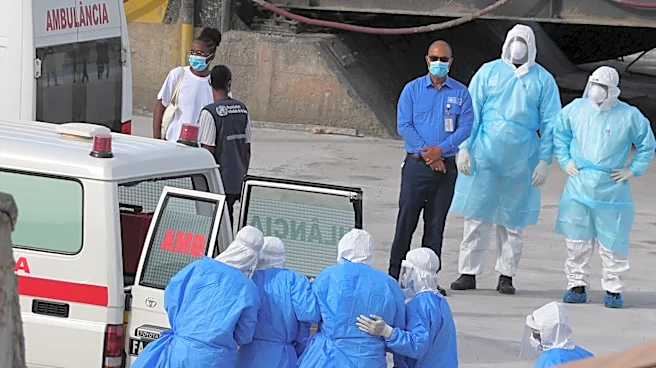
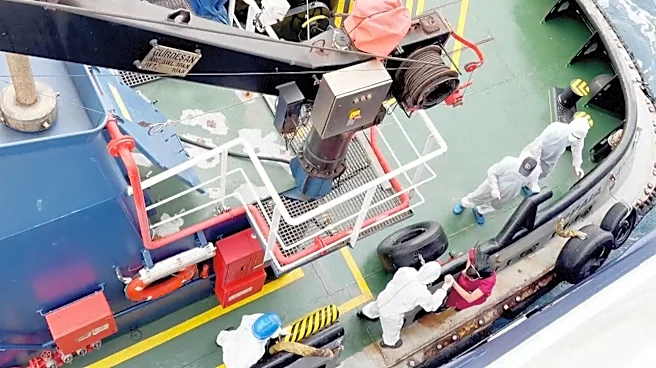
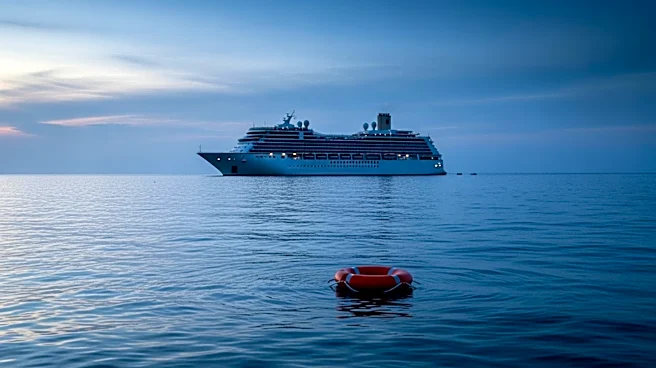
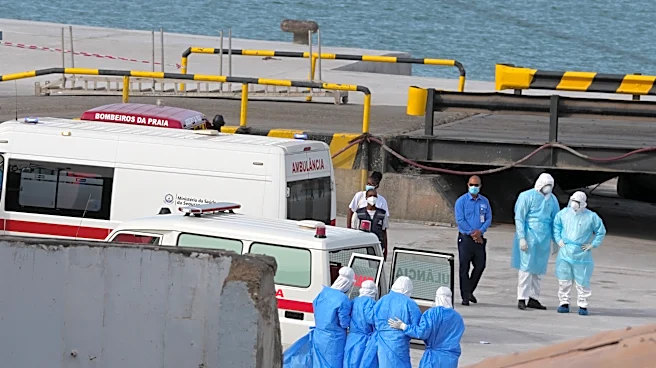
The cruise ship MV Hondius is currently stranded off the coast of Cape Verde due to a hantavirus outbreak that has resulted in three passenger deaths and eight illnesses. The ship, carrying 147 passengers and crew from 23 countries, is awaiting permission
to dock. The World Health Organization (WHO) has requested Spain to allow the ship to dock in the Canary Islands, but the regional leader of the Canary Islands opposes this decision. The ship's British doctor and two other crew members have fallen ill and require evacuation. The outbreak has raised concerns about possible person-to-person transmission, although the WHO considers the overall public risk to be low. The ship had previously traveled through South America and the South Atlantic before reaching Cape Verde.
Why It's Important?
The hantavirus outbreak on the MV Hondius highlights the challenges of managing infectious diseases on cruise ships, which are confined environments with high potential for disease spread. The situation underscores the importance of international cooperation in public health emergencies, as seen in the WHO's involvement and the need for Spain's approval to dock. The outbreak also raises questions about the adequacy of current health protocols on cruise ships and the readiness of countries to handle such emergencies. The potential for person-to-person transmission of the Andes strain of hantavirus, although considered low, could have implications for public health policies and cruise industry regulations.
What's Next?
The next steps involve determining a safe docking location for the MV Hondius and ensuring the medical evacuation of affected individuals. The WHO and national health authorities will likely continue to monitor the situation closely, providing guidance on containment and treatment measures. The incident may prompt a review of health and safety protocols on cruise ships, particularly regarding infectious disease management. Additionally, the response from the Canary Islands' regional leader suggests potential political and logistical challenges in coordinating international health responses.