






What's Happening?
President Donald Trump has announced an extension of the U.S. ceasefire with Iran, citing the 'seriously fractured' state of Tehran's government. Initially set to end on Wednesday, the ceasefire will now continue until Iran's leaders present a unified
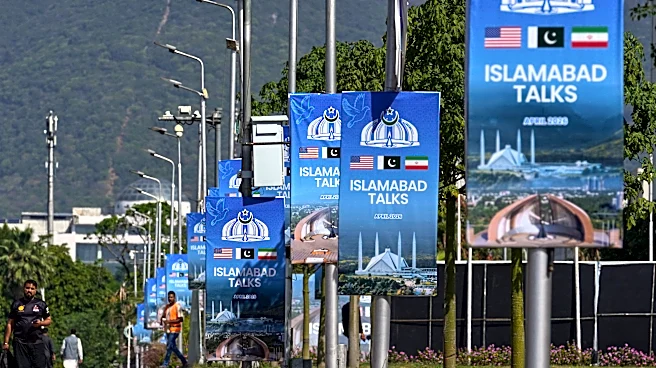
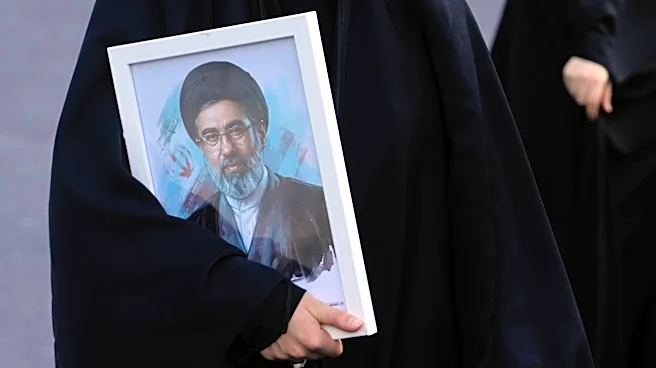
proposal to end the ongoing conflict with the U.S. and Israel. This decision follows reports that Vice President JD Vance's planned trip to Pakistan for peace talks with Iranian officials has been postponed. Iranian negotiators have reportedly communicated through intermediaries that they will not participate in further talks, viewing them as futile under current conditions. An advisor to Iran's parliamentary speaker has criticized the extension as a strategic delay by the U.S., suggesting it could be a prelude to military action.
Why It's Important?
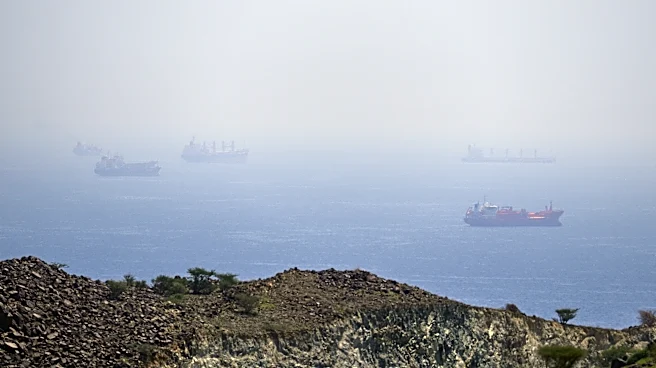
The extension of the ceasefire is significant as it reflects ongoing tensions and the complex diplomatic landscape between the U.S. and Iran. The fractured state of Iran's government complicates peace negotiations, potentially prolonging instability in the region. For the U.S., maintaining the ceasefire could prevent immediate military escalation, but it also underscores the challenges in achieving a lasting resolution. The situation impacts global oil markets and regional security, with potential repercussions for international relations and economic stability.
What's Next?
The future of U.S.-Iran relations remains uncertain, with the possibility of resumed negotiations hinging on Iran's ability to present a cohesive proposal. The U.S. may continue diplomatic efforts through intermediaries, while monitoring Iran's internal political dynamics. The international community will likely watch closely for any shifts in U.S. or Iranian strategies, as well as reactions from other regional players like Israel and Saudi Arabia.