







What's Happening?
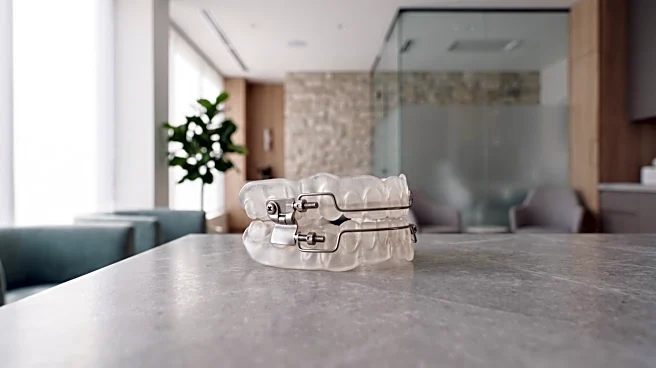
Dentists are increasingly playing a role in treating obstructive sleep apnea (OSA) through custom oral appliance therapy. This treatment is presented as an alternative for adults who cannot tolerate continuous positive airway pressure (CPAP) therapy or prefer
a different option. OSA occurs when the upper airway repeatedly becomes blocked during sleep, leading to reduced or interrupted airflow and insufficient oxygen. While CPAP remains a highly effective treatment, oral appliances work by repositioning the lower jaw or stabilizing the tongue and soft tissues to keep the airway open. Dentists collaborate with medical providers who diagnose and manage the patient's sleep apnea condition. A custom oral appliance, such as a mandibular advancement device, is fitted to the patient's mouth and adjusted over time to ensure comfort and effectiveness. It is crucial that these are custom-made devices, as over-the-counter mouthguards or generic snoring devices are not suitable replacements for prescribed treatment plans.
Why It's Important?
The availability of oral appliance therapy through dentists is significant for many Americans suffering from obstructive sleep apnea. CPAP, while effective, can be difficult for some patients to tolerate due to discomfort from the mask or air pressure. Offering a viable alternative can improve treatment adherence and overall health outcomes for these individuals. Untreated sleep apnea can lead to serious health issues, including cardiovascular problems, daytime fatigue, and impaired cognitive function. By providing an alternative treatment pathway, dentists contribute to a broader public health effort to manage this widespread condition. This collaboration between dental and medical professionals highlights an integrated approach to healthcare, potentially improving patient access to effective treatments and enhancing their quality of life.
What's Next?
Patients experiencing symptoms of sleep apnea, such as loud snoring, breathing pauses, or daytime sleepiness, should consult a healthcare provider for diagnosis. If diagnosed with OSA, they can then discuss treatment options, including oral appliance therapy, with their medical provider and a qualified dentist. The process typically involves a medical evaluation and diagnosis, a dental consultation to assess suitability for an appliance, custom fitting, and ongoing adjustments and follow-up testing to ensure effectiveness. Insurance coverage for prescribed sleep apnea appliances may be available through medical insurance, depending on the specific plan. Continued research and clinical practice will likely further refine patient selection criteria and optimize the design and effectiveness of oral appliances.
Beyond the Headlines
The integration of dental professionals into the treatment of a medical condition like sleep apnea underscores a growing trend in healthcare towards interdisciplinary collaboration. This approach recognizes that conditions often have multifaceted origins and require diverse expertise for comprehensive management. For patients, it means more personalized treatment options that cater to individual needs and preferences, potentially leading to better long-term health. From a broader perspective, it highlights the evolving role of dentistry beyond traditional oral health, positioning dentists as key contributors to systemic health. This shift could also influence dental education and training, emphasizing the importance of understanding systemic health conditions and their oral manifestations.