








What's Happening?
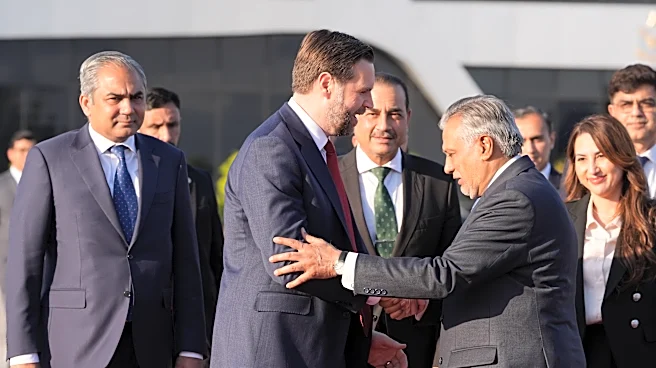
The United States is contemplating a second round of peace talks with Iran, following unsuccessful negotiations aimed at ending the ongoing conflict. The talks are being pushed by Pakistan, which is seeking to mediate between the two nations. The U.S.
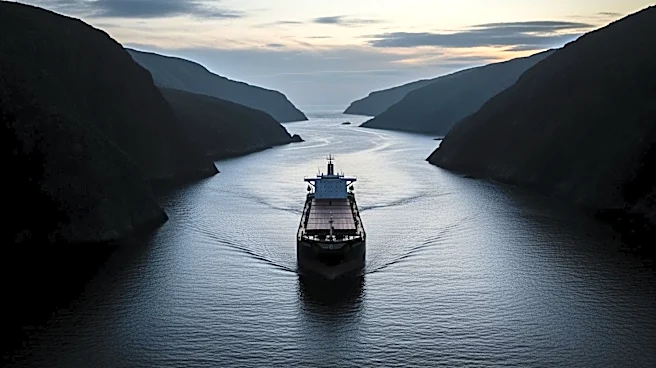
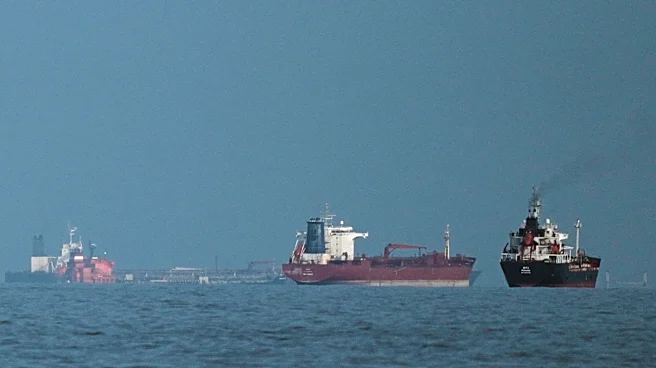
blockade of the Strait of Hormuz, a critical maritime passage for global oil shipments, remains in effect, exacerbating tensions. The initial talks concluded without an agreement, but there is hope that further discussions could lead to a resolution. The blockade has significant implications for global oil markets and regional stability.
Why It's Important?
The continuation of the blockade in the Strait of Hormuz has far-reaching consequences for global oil supply and economic stability. The strait is a vital chokepoint for oil transportation, and its closure has led to increased oil prices, affecting economies worldwide. The potential for renewed talks offers a glimmer of hope for de-escalating the conflict, which could stabilize oil markets and reduce geopolitical tensions. Successful negotiations could also enhance Pakistan's diplomatic standing and influence in the region, as it plays a key role in facilitating dialogue between the U.S. and Iran.
What's Next?
Should the talks proceed, they could lead to a de-escalation of military actions and a potential lifting of the blockade. However, the success of these negotiations will depend on the willingness of both parties to address contentious issues, such as Iran's nuclear program and regional security concerns. The international community, including major oil-importing nations, will be closely watching these developments, as the outcome could significantly impact global energy markets and geopolitical dynamics.