





What's Happening?
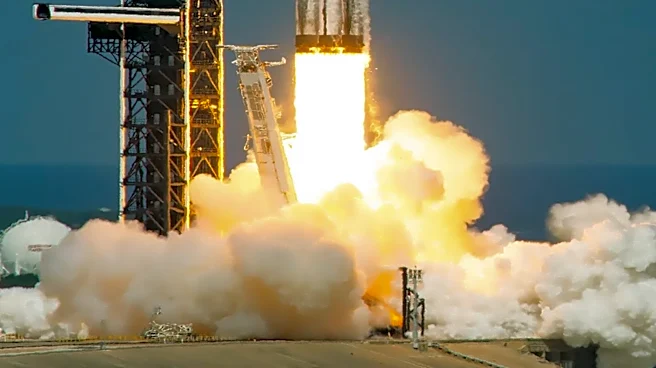
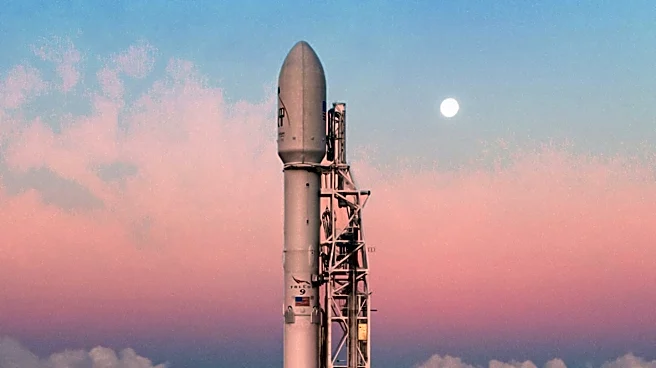
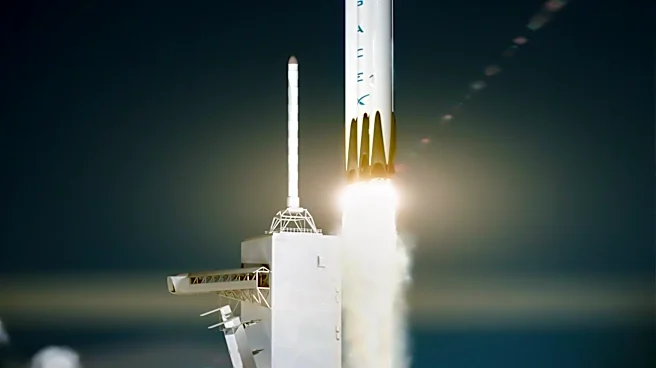
A piece of a SpaceX Falcon 9 rocket, which has been floating in space since last year, is believed to have unintentionally crashed into the moon. The impact, occurring at high speed, poses no danger to Earth but is expected to create a new lunar crater.
The rocket part, a second stage from a 2025 launch, was predicted to hit the moon's surface, kicking up a plume of lunar dust. NASA plans to study the impact site to gain insights into artificial impacts and their implications for space exploration.
Why It's Important?
The unintentional lunar impact highlights the challenges of managing space debris and the potential scientific opportunities such events present. NASA's interest in studying the impact site underscores the importance of understanding artificial impacts on celestial bodies, which can inform future space exploration missions. The incident also raises awareness about the growing issue of space junk and the need for effective strategies to mitigate its impact on space operations and exploration.
Beyond the Headlines
The event draws attention to the broader issue of space debris management and the ethical considerations of leaving space hardware in orbit. As space exploration activities increase, the accumulation of space junk poses risks to both active satellites and future missions. The incident may prompt discussions on international regulations and best practices for disposing of space hardware responsibly. Additionally, the scientific data gathered from the impact could contribute to our understanding of lunar geology and the effects of artificial impacts on the moon's surface.