








What's Happening?
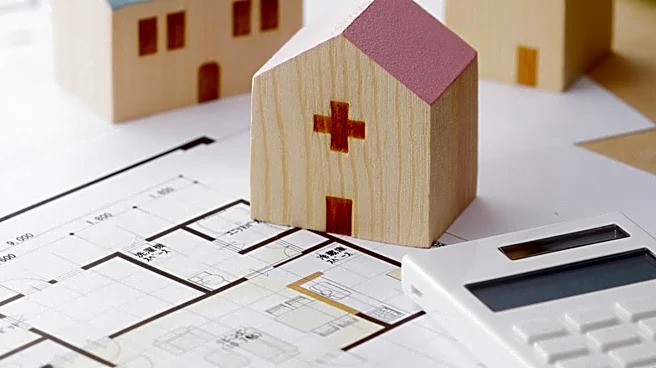
The District of Columbia is considering a shift in its property tax system to a land value tax, as introduced by Councilmember Brianne Nadeau. This proposal aims to tax land and buildings separately, potentially encouraging development by reducing the
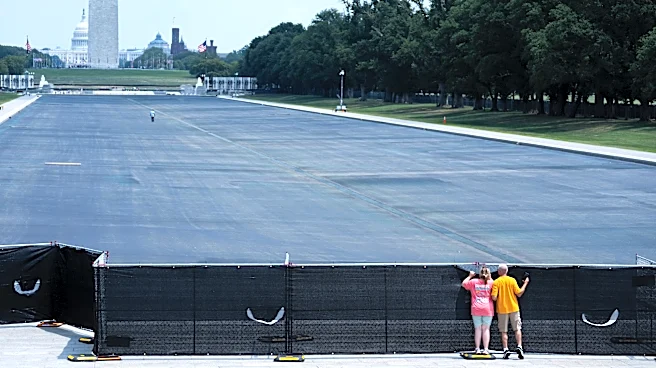
tax burden on new constructions. The initiative comes as the district faces economic stagnation, partly due to the COVID-19 pandemic and the federal government's sale of large buildings for private redevelopment. The land value tax is seen as a way to stimulate growth and improve tax equity, especially as Congress seeks to limit DC's ability to raise other taxes.
Why It's Important?
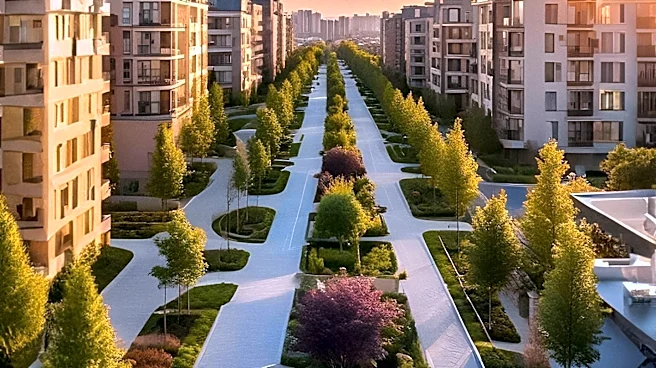
The proposed land value tax could significantly impact the real estate market in Washington, DC, by incentivizing the development of vacant lots and reducing the tax burden on homeowners. This shift could help stabilize the district's economy, which has been affected by a decline in office building values and a stagnant housing market. The tax reform is also a strategic move to compete with suburban areas in Virginia and Maryland, where housing is more affordable. If successful, this policy could serve as a model for other cities facing similar economic challenges.
What's Next?
The DC City Council will need to navigate potential challenges in implementing the land value tax, including opposition from stakeholders who may be adversely affected. The proposal will likely undergo further scrutiny and debate, especially given the federal government's influence over the district's budget. If approved, the new tax system could be a pivotal step in revitalizing DC's economy and housing market, with potential implications for urban development policies nationwide.