







What's Happening?
South Korea is experiencing a significant rise in food prices due to a severe heat wave, which is exacerbating inflation concerns. The extreme temperatures, reaching over 40 degrees Celsius in some areas, have disrupted the supply of vegetables, meat,
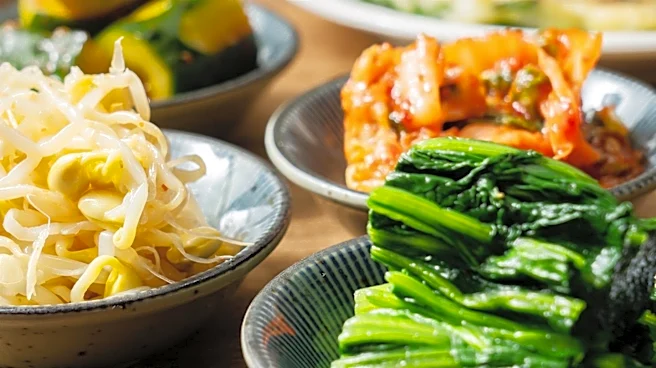
and seafood, leading to increased prices. For instance, the price of spinach has surged by 152.3% from the previous month. The heat has also caused substantial livestock and fish deaths, further threatening food supply stability. Economists warn that these conditions could push consumer inflation back into the 3% range, complicating efforts to control inflation. The situation is compounded by the government's oil price cap, which, while shielding consumers from global oil price hikes, may distort market signals and hinder long-term economic stability.
Why It's Important?
The current inflationary pressures in South Korea highlight the vulnerability of economies to climate-related disruptions. The heat wave's impact on food prices underscores the need for robust agricultural and supply chain resilience strategies. Additionally, the government's oil price cap, while providing short-term relief, poses risks of market distortion and could lead to more severe economic challenges if not managed carefully. These developments are crucial for policymakers as they balance immediate consumer protection with long-term economic health. The situation also serves as a reminder of the broader implications of climate change on global food security and economic stability.
What's Next?
As inflationary pressures mount, the Bank of Korea may consider a rate hike in its upcoming policy meeting to curb rising prices. The government will need to address the immediate impacts of the heat wave on food supply while also considering adjustments to its oil price cap policy to prevent long-term market distortions. Stakeholders, including agricultural producers and consumer advocacy groups, are likely to push for measures that enhance supply chain resilience and protect consumers from future price shocks. The ongoing situation will require careful monitoring and adaptive policy responses to mitigate economic risks.