







What's Happening?
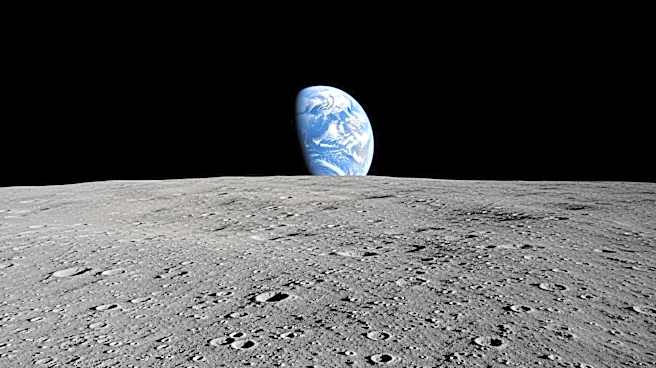
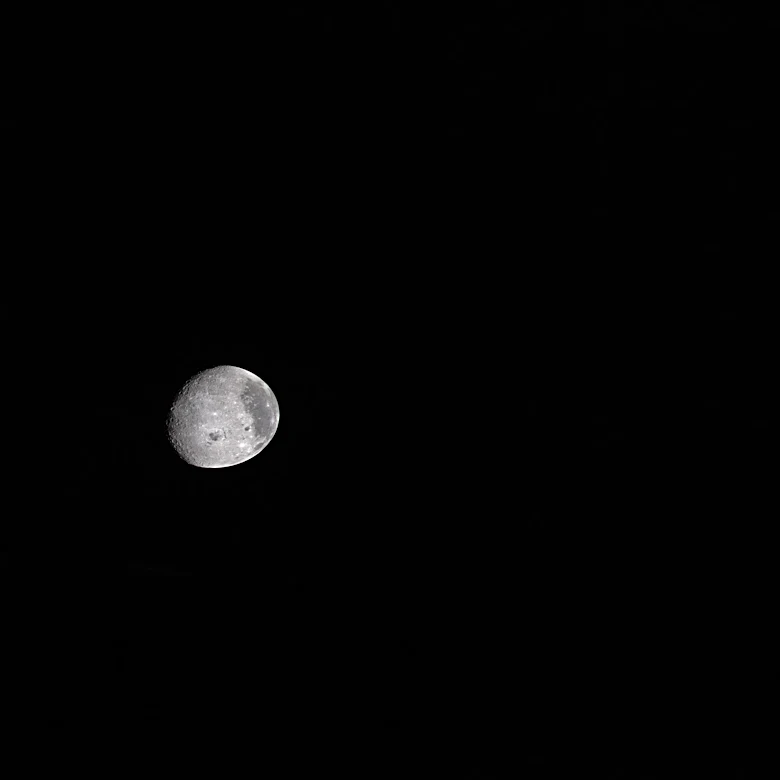
During a historic lunar flyby, astronauts on NASA's Artemis II mission observed meteorites striking the moon's surface. The crew reported seeing six brief flashes of light, attributed to meteorite impacts, during their seven-hour observation period. These
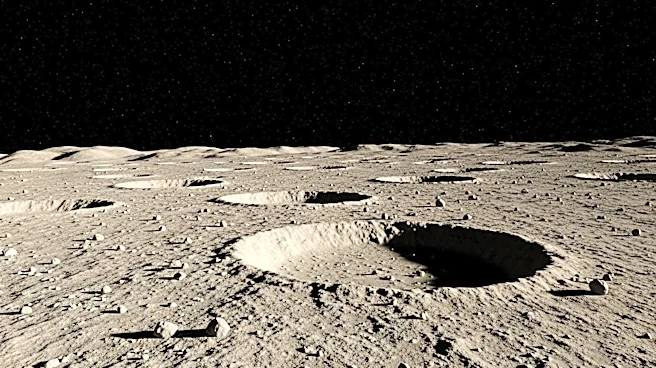
observations provide new data on the frequency and characteristics of lunar impacts, which are crucial for future lunar exploration and the establishment of a lunar base. The lack of an atmosphere on the moon means that even small meteoroids can reach the surface, posing potential risks to future missions.
Why It's Important?
The observations by the Artemis II crew are significant as they offer direct visual evidence of meteorite impacts on the moon, which is rare. This data is vital for understanding the meteoroid environment on the lunar surface, which is a key consideration for the safety and planning of future lunar missions. The findings underscore the need for closer monitoring of meteoroid flux, especially as plans for a permanent lunar base progress. The ability to predict and mitigate these impacts is crucial for the safety of astronauts and the success of long-term lunar habitation.
What's Next?
NASA and other space agencies will likely increase efforts to monitor and study the meteoroid environment on the moon. This could involve deploying more sophisticated sensors and satellites to track meteoroid activity. The data collected will inform the design and construction of lunar habitats and vehicles, ensuring they can withstand potential impacts. Additionally, the observations may lead to new research initiatives focused on understanding the dynamics of meteoroid impacts and their effects on the lunar surface.