





What's Happening?
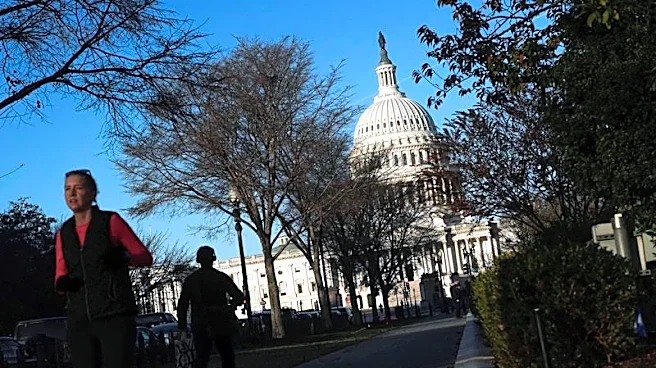
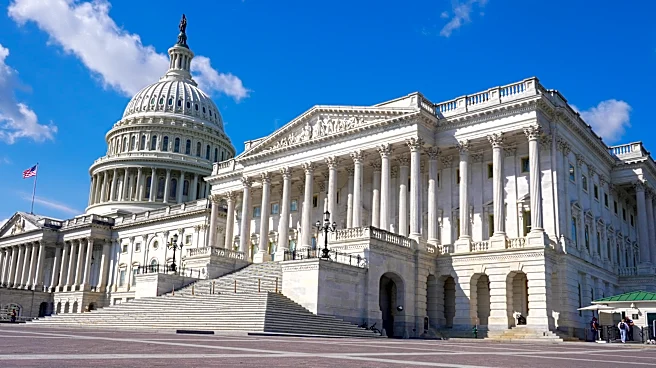
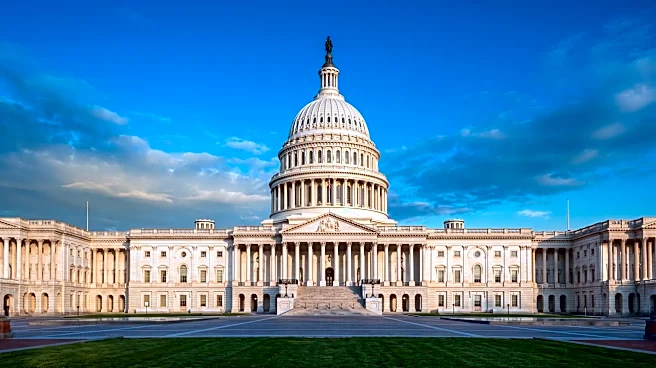
The U.S. House of Representatives has passed a comprehensive sanctions bill targeting Russian officials and key sectors of its economy. The legislation, approved by a 262-159 vote, is now headed to President Trump for his signature. This bill, named after
the late Sen. Lindsey Graham, aims to cut off financial resources for Russia's war against Ukraine. It includes sanctions on Russian officials, banks, and a 'shadow fleet' of tankers transporting Russian energy. Additionally, it directs President Trump to impose tariffs of up to 100% on the top five importers of Russian oil or natural gas, with an exception for countries that have significantly reduced their reliance on Russian gas. Ukrainian President Volodymyr Zelenskyy had actively pushed for the bill's passage. The measure represents the most significant effort to support Ukraine since President Trump's return to the White House, breaking nearly two years of legislative gridlock on the issue.
Why It's Important?
This bill is a critical development in U.S. foreign policy, signaling a renewed and robust effort to economically pressure Russia. The imposition of tariffs on major importers of Russian energy could significantly impact global energy markets and international trade relations, particularly with countries like China and India. While supporters aim to deter these nations from funding Russia's war, critics, including some Democrats, fear that President Trump might use these tariff powers against European allies, potentially leading to higher prices for American consumers. The legislation also highlights the ongoing struggle within Congress to maintain bipartisan support for Ukraine aid, with some Democrats expressing concerns that the bill, despite its intent, might not provide a clear path to victory for Ukraine and could be manipulated by President Trump to serve other agendas. Its passage underscores the U.S. commitment to Ukraine, even amidst internal political divisions.
What's Next?
The bill now awaits President Trump's signature to become law. His decision will be closely watched, especially given his past rhetoric regarding Ukraine aid and tariffs. If signed, the administration will be tasked with implementing the sanctions and tariffs, which could lead to complex diplomatic negotiations with countries affected by the new trade restrictions. The potential for President Trump to apply tariffs aggressively to U.S. allies, as feared by some lawmakers, could strain existing international relationships. The legislation's impact on Russia's economy and its ability to fund the war will be a key metric of its effectiveness. Furthermore, the bill's passage just before the November elections suggests that its implications, both domestically and internationally, will continue to be a subject of political debate and strategic maneuvering. The international community will be observing how these new measures influence the dynamics of the conflict in Ukraine and global energy markets.
Beyond the Headlines
The passage of this sanctions bill carries deeper implications beyond immediate economic pressure. It reflects a complex interplay of domestic politics, international alliances, and the evolving nature of economic warfare. The debate within Congress, particularly among Democrats, reveals a tension between the desire to support Ukraine and concerns about the potential misuse of presidential power, especially regarding tariffs. This highlights a broader challenge in U.S. foreign policy: how to craft legislation that is effective in achieving its stated goals while also safeguarding against unintended consequences or political weaponization. The bill's focus on energy imports also underscores the strategic importance of energy resources in modern conflicts and the global economy. Ultimately, the success of this legislation will depend not only on its implementation but also on the willingness of international partners to align with its objectives, and the unpredictable responses from both Russia and the targeted importing nations.