




What's Happening?
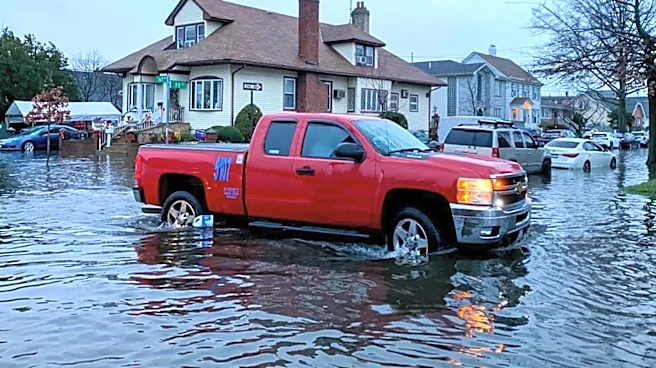
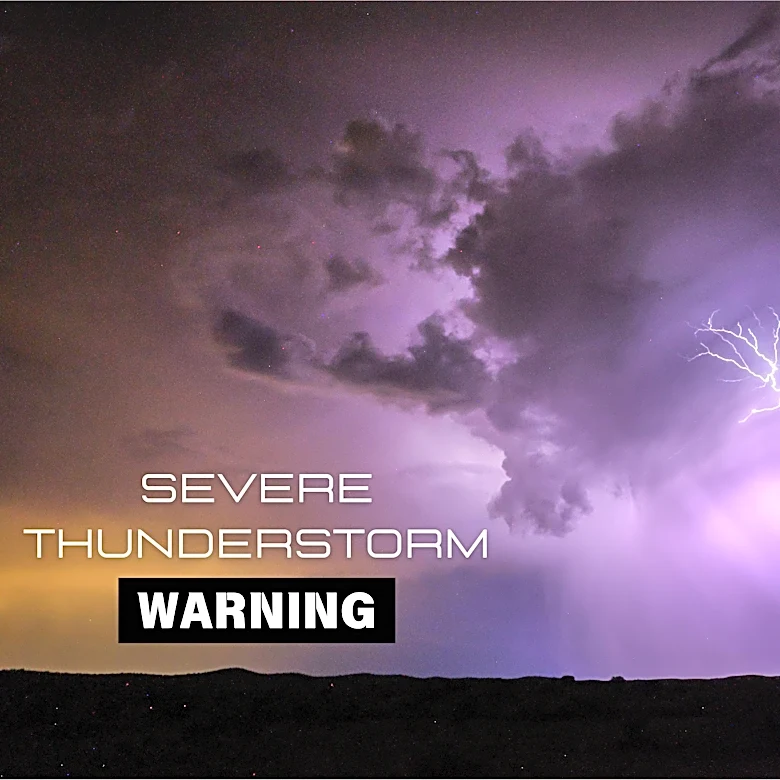
San Antonio is grappling with the aftermath of severe storms that swept through the city Friday night, leaving thousands of residents without power and prompting investigations into two possible flood-related drowning deaths. As of Sunday morning, fewer
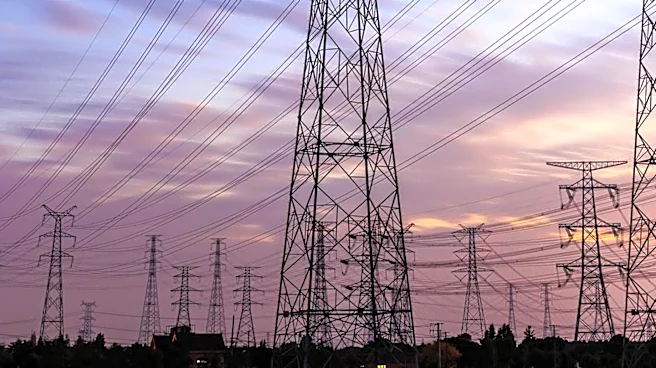
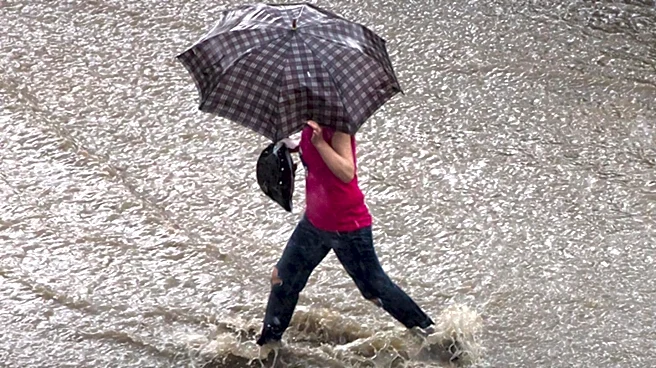
than 20,000 CPS Energy customers remained without electricity, down from a peak of approximately 250,000. City officials are investigating the death of a 46-year-old woman found after being swept away by floodwaters, and a man in his 50s found dead at Woodlawn Lake. CPS Energy has brought in additional crews from across the region, including Pedernales Electric Cooperative, to nearly double its restoration capacity. The city has also opened six resilience hubs to provide basic needs, power access, and Wi-Fi for affected residents, with VIA Metropolitan Transit offering free transportation to these sites.
Why It's Important?
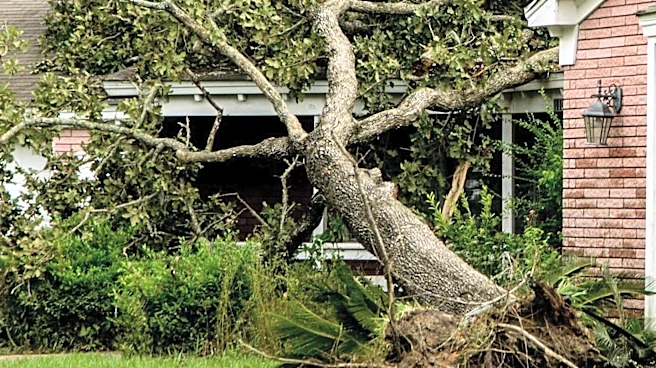
This event highlights the critical vulnerabilities of urban infrastructure to severe weather and the profound impact on public safety and daily life. The widespread power outages disrupt essential services, businesses, and homes, while the tragic loss of life underscores the immediate dangers posed by flash flooding. For CPS Energy, the challenge involves not only restoring power but also managing complex repairs amidst downed power lines, fallen trees, and debris. The city's response, including the establishment of resilience hubs and free transportation, is crucial for mitigating the immediate humanitarian crisis, especially with rising temperatures. This situation also brings to the forefront the need for robust emergency preparedness and resilient infrastructure to protect communities from increasingly frequent and intense weather events.
What's Next?
CPS Energy anticipates that restoring power to the remaining customers will take several days, as crews shift from addressing large outage areas to more complex, smaller damage sites. The city will continue its recovery operations, focusing on clearing hazards, repairing infrastructure, and supporting residents through the resilience hubs, which will remain open through Monday noon. Investigations into the flood-related deaths are ongoing, with the Medical Examiner’s Office reviewing the circumstances. City staff will also conduct door-to-door outreach in storm-impacted neighborhoods. Long-term, San Antonio will likely assess its storm response and infrastructure resilience to better prepare for future severe weather, potentially leading to investments in grid hardening and improved flood control measures.
Beyond the Headlines
The severe storms in San Antonio reveal deeper societal challenges related to climate change, urban planning, and community resilience. The tragic deaths underscore the disproportionate impact of natural disasters on vulnerable populations and the critical importance of effective early warning systems and public safety campaigns. The extensive power outages highlight the economic ripple effects, as businesses suffer losses and residents face unexpected expenses. This event also prompts a broader conversation about the need for sustainable urban development that integrates climate adaptation strategies, such as improved drainage systems and green infrastructure, to reduce flood risks. Furthermore, the community's reliance on resilience hubs emphasizes the importance of social support networks and accessible public services during crises, pointing to the need for equitable resource distribution and preparedness planning.