






What's Happening?
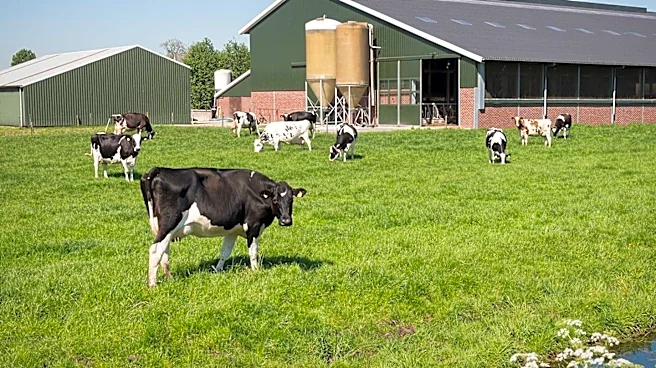
A recent study by the Environmental Working Group has revealed that Iowa's official database of animal feeding operations significantly underrepresents the number of livestock facilities in the state. The study identified 15,309 livestock facilities,
over 4,000 more than the 11,000 listed in the Iowa Department of Natural Resources database. This discrepancy highlights the potential environmental impact, as these facilities produce an estimated 107.6 million tons of manure annually. The study emphasizes the need for stronger regulatory oversight and water-quality protections, as the current framework does not adequately address the environmental and public health risks posed by these operations.
Why It's Important?
The findings underscore the environmental and public health challenges associated with factory farming in Iowa, the largest pork-producing state in the U.S. The significant amount of manure generated by these facilities poses a risk to water quality, with potential health implications such as nitrate contamination in drinking water. The study calls for improved regulatory measures, including Clean Water Act permits for factory farms and enhanced manure management practices. Addressing these issues is crucial for protecting public health and the environment, as well as ensuring sustainable agricultural practices in the state.
What's Next?
The study's findings are likely to fuel ongoing debates about the adequacy of Iowa's regulatory oversight of livestock operations. State legislators and environmental groups may push for stronger regulations and better tracking of manure management. The Iowa Department of Natural Resources may need to update its database and consider including smaller operations that contribute to the state's manure load. Additionally, there may be increased advocacy for legislative changes to improve water quality protections and address the environmental impact of factory farming.