What's Happening?
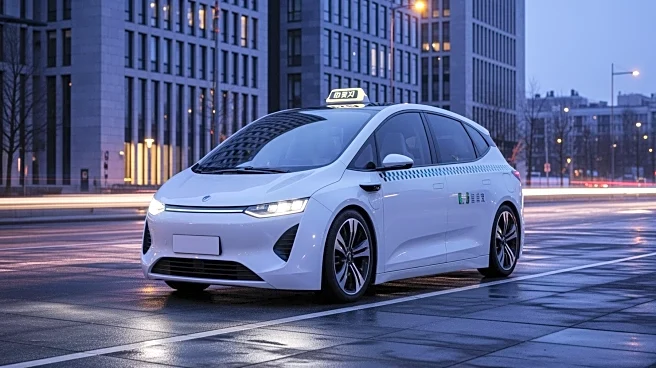
Waymo, a leader in autonomous vehicle technology, is preparing to launch self-driving rideshares in Baltimore. The initiative is currently in a preliminary phase, with vehicles navigating the city streets
to acclimate to the environment. Initially, a specialist will be present in the vehicles before transitioning to fully autonomous operations. The fleet will start with about a dozen vehicles in the downtown area, expanding outward. Despite the technological advancements, public opinion in Baltimore is divided. Some residents express excitement about the innovation, while others are skeptical about the safety and necessity of self-driving cars. Concerns include the potential for accidents and the absence of a human driver to take control in emergencies. Waymo counters these concerns by citing data that suggests their vehicles are involved in significantly fewer injury-causing collisions compared to human drivers.
Why It's Important?
The introduction of self-driving cars in Baltimore represents a significant step in the evolution of urban transportation. If successful, this initiative could pave the way for broader adoption of autonomous vehicles across the U.S., potentially reducing traffic accidents and improving commute efficiency. However, the mixed public reception highlights the challenges of integrating new technology into daily life. The skepticism from some residents underscores the need for companies like Waymo to build trust and demonstrate the reliability and safety of their technology. The outcome of this initiative could influence public policy and regulatory frameworks surrounding autonomous vehicles, impacting future developments in the transportation sector.
What's Next?
Waymo has not yet announced an official launch date for the public rollout of its self-driving rideshares in Baltimore. As the vehicles continue to familiarize themselves with the city, the company will likely focus on addressing public concerns and ensuring the technology's safety and reliability. Stakeholders, including local government officials and community leaders, may engage in discussions to assess the impact of this technology on the city's transportation infrastructure. The success or failure of this initiative could influence similar projects in other cities, shaping the future landscape of urban mobility.