






What's Happening?
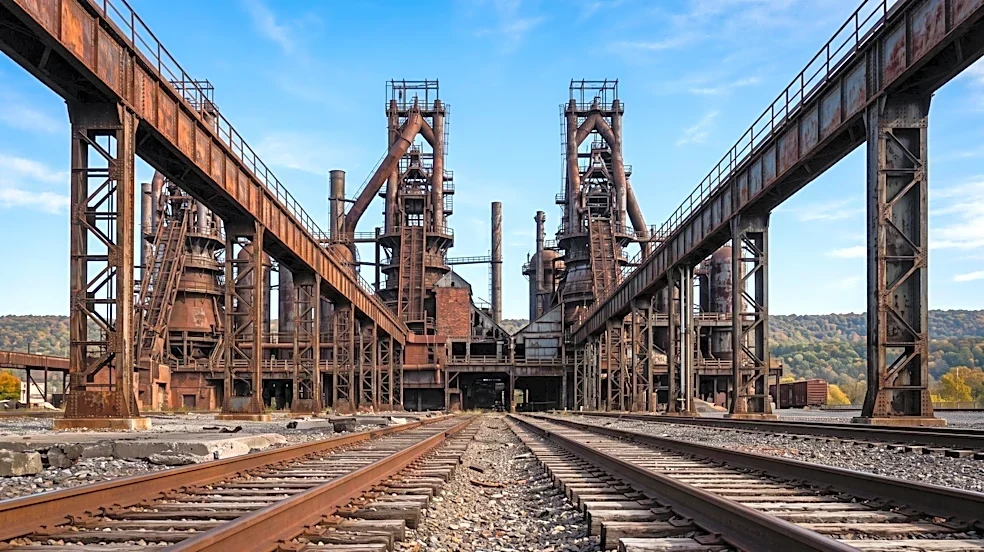
The Bethlehem Steel plant site in Bethlehem, Pennsylvania, is offering 'Steelwalker' tours, guided by former steelworkers or individuals trained by them. These tours run every Thursday, Friday, Saturday, and Sunday from April through December. Thursday and Friday tours begin
at 11:00 AM, while Saturday and Sunday tours have additional slots at 1:30 PM. The tours, conducted in partnership with the National Museum of Industrial History (NMIH), depart from the NMIH lobby at 602 E. Second Street, Bethlehem, regardless of weather conditions. Free parking is available across the street from the museum. The approximately one-hour tour covers the evolution of iron making in the Lehigh Valley, the history of the Bethlehem Plant from its inception to closure, including its role in World Wars I and II. Participants will also learn about the remaining structures on the plant site, the ethnic neighborhoods surrounding it, and the daily life of steel plant workers. Each tour concludes with a question and answer session. Tickets are priced at $15 per person, with free admission for children aged 12 and under, and can be purchased online or at the Visitor Center and NMIH.
Why It's Important?
These 'Steelwalker' tours are significant for preserving and sharing the industrial heritage of the United States, particularly the legacy of Bethlehem Steel, which was once a cornerstone of American manufacturing and played a crucial role in national defense during both World Wars. By having former steelworkers lead these tours, participants gain firsthand accounts and authentic perspectives on the industry, offering a unique educational experience that goes beyond historical texts. This initiative helps to keep the memory of a vital American industry alive, educating current and future generations about the economic and social impact of steel production on local communities and the nation. The tours also contribute to local tourism and economic activity in Bethlehem, drawing visitors interested in industrial history and providing a platform for community engagement with its past. The partnership with the National Museum of Industrial History further solidifies the educational value and historical accuracy of the program, ensuring that the stories told are well-researched and presented in a meaningful context.
What's Next?
The 'Steelwalker' tours are scheduled to continue through December, offering consistent opportunities for the public to engage with the history of the Bethlehem Steel plant. Future plans may involve expanding tour offerings, developing new thematic routes, or incorporating additional historical elements as more archival information becomes accessible. The ongoing success of these tours could also inspire similar initiatives at other former industrial sites across the U.S., fostering a broader movement to preserve and interpret America's industrial past. The Steelworkers’ Archives can be contacted for private group tours, indicating potential for customized educational experiences for schools, historical societies, and other organizations. Continued collaboration between ArtsQuest, the National Museum of Industrial History, and local historical groups will likely ensure the longevity and evolution of this program, potentially leading to further historical preservation efforts and community outreach related to Bethlehem's industrial heritage.
Beyond the Headlines
Beyond the immediate historical education, these tours offer a poignant reflection on the transformation of American industry and the lives of its workforce. The presence of former steelworkers as guides provides a human connection to the industrial past, highlighting the personal sacrifices, community bonds, and the eventual decline of heavy manufacturing in the U.S. This offers a deeper understanding of economic shifts, globalization, and their impact on American labor and communities. The tours implicitly address themes of resilience, adaptation, and the search for new identities in post-industrial towns. They serve as a living memorial to the workers who built America, fostering a sense of respect and appreciation for their contributions. Furthermore, the preservation of the Bethlehem Steel site and its interpretation through these tours can serve as a model for other communities grappling with the legacy of deindustrialization, demonstrating how historical sites can be repurposed for educational and cultural enrichment, contributing to a renewed sense of place and identity.