






What's Happening?
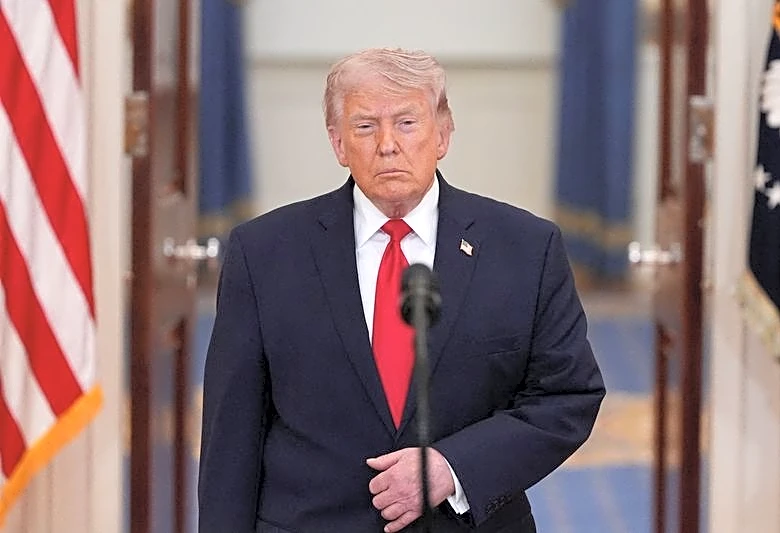
Sharon Simmons, dubbed the 'DoorDash Grandma,' has become the center of controversy following her delivery of McDonald's to President Trump at the White House. The event was intended to promote the 'no tax on tips' policy, which Simmons had previously
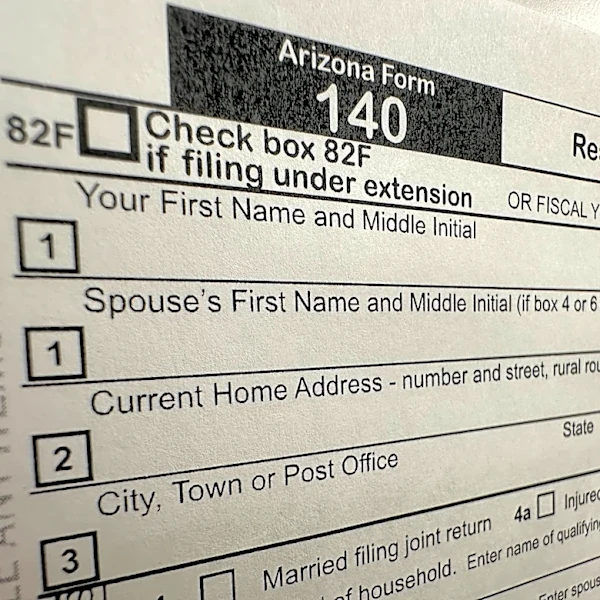
lobbied for in Congress. Critics questioned the authenticity of the event, suggesting it was a publicity stunt. DoorDash confirmed the delivery was arranged to celebrate the policy, and Simmons had moved from Nevada to Arkansas. The policy allows a temporary deduction of up to $25,000 in tips for eligible workers, but its benefits are limited, with only a small percentage of households receiving a tax cut.
Why It's Important?
The event highlights the challenges of using promotional activities to support policy initiatives, particularly when they involve gig economy workers. The 'no tax on tips' policy aims to provide financial relief, but its limited impact has drawn criticism from labor advocates who argue for more substantial wage increases and economic security measures. The controversy also reflects broader societal concerns about the portrayal of gig workers and the effectiveness of policy measures aimed at supporting them.
What's Next?
As the 'no tax on tips' policy is implemented, its impact on gig workers and the broader economy will be closely monitored. The response from political leaders, labor groups, and the public will likely influence future discussions and potential legislative actions regarding gig economy regulations and worker protections. The controversy may also affect how political figures approach similar promotional activities in the future.