









What's Happening?
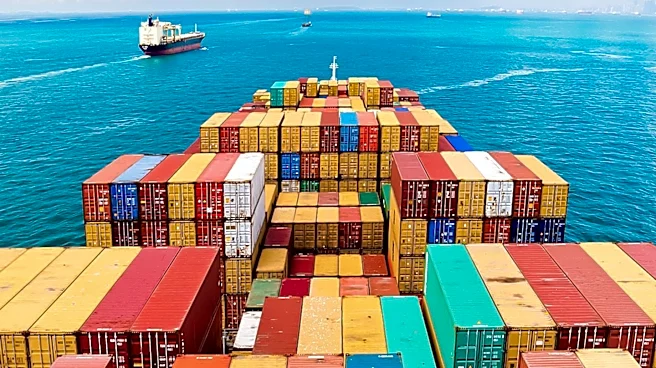
The United States has significantly increased its agricultural exports to Vietnam, supplying approximately $4.7 billion worth of products in 2025. This makes the U.S. the second-largest agricultural supplier to Vietnam. The growth is driven by Vietnam's
expanding economy, rising incomes, and a population exceeding 101 million, which has led to increased demand for imported food and agricultural goods. Key export categories include fresh fruits, dairy products, poultry, feed ingredients, and cotton. The U.S. is the leading supplier of poultry products, and lower import tariffs are expected to further boost this sector. Additionally, Vietnam's textile industry heavily relies on U.S. cotton, making it a top market for these exports. The demand for ethanol, seafood, and forestry products is also on the rise, supported by Vietnam's growing retail and hospitality sectors.
Why It's Important?
The surge in U.S. agricultural exports to Vietnam highlights the growing economic ties between the two countries and the strategic importance of Vietnam as a market for U.S. agricultural products. This growth provides significant opportunities for U.S. farmers and exporters, potentially leading to increased revenue and market stability. The expansion of Vietnam's food processing and retail industries offers a promising avenue for U.S. exporters to tap into a rapidly growing market. Moreover, the reduction in tariffs and improved market access through trade agreements can further solidify the U.S.'s position as a key supplier, enhancing economic relations and contributing to the U.S. agricultural sector's growth.
What's Next?
Continued regulatory cooperation and trade agreements are expected to strengthen the agricultural trade relationship between the U.S. and Vietnam. As Vietnamese consumers increasingly prioritize quality and safety, U.S. agricultural products are well-positioned for sustained growth. The U.S. may explore further opportunities to expand its market share in Vietnam by diversifying its export portfolio and enhancing its competitive edge through innovation and quality assurance. Additionally, monitoring changes in Vietnam's import policies and consumer preferences will be crucial for U.S. exporters to maintain and expand their market presence.