





What's Happening?
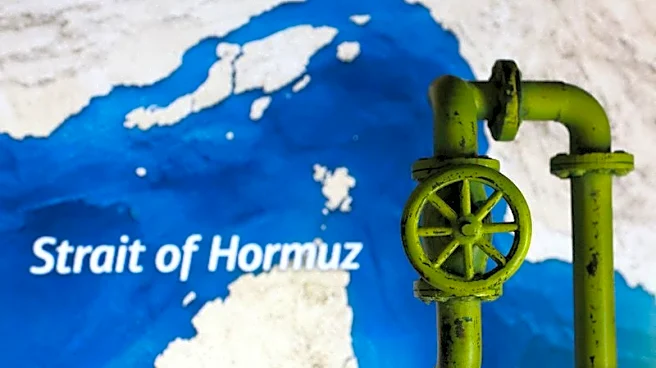
Chinese aluminium exporters are poised for increased activity as the ongoing conflict in Iran disrupts global supply chains. The closure of the Strait of Hormuz and attacks on major aluminium smelters in the Gulf region have led to a supply deficit, prompting
a surge in aluminium prices. Analysts predict that damaged production lines in the Gulf will redirect orders to China, boosting its export prospects. The London Metal Exchange has seen a 12% increase in aluminium prices since late February, while premiums in Japan and Europe have reached significant highs. Chinese traders report a rise in export profits, with inquiries from overseas increasing. Forecasts for Chinese aluminium export growth have been revised upwards, reflecting optimism despite weak domestic demand.
Why It's Important?
The shift in aluminium supply dynamics due to the Iran conflict has significant implications for global markets. As China steps in to fill the supply gap, it could strengthen its position as a leading aluminium exporter, impacting international trade balances. The rise in aluminium prices may affect industries reliant on this metal, such as automotive and aerospace, potentially leading to increased costs for manufacturers and consumers. Additionally, the situation highlights vulnerabilities in global supply chains, emphasizing the need for diversified sourcing strategies. The geopolitical tensions in the Gulf region could further influence commodity markets, affecting economic stability in affected areas.
What's Next?
If the Strait of Hormuz remains closed and regional tensions persist, China may continue to benefit from increased aluminium exports. This could lead to further adjustments in global supply chains, with countries seeking alternative sources to mitigate risks. The situation may prompt international diplomatic efforts to stabilize the region and reopen critical trade routes. Industries dependent on aluminium may need to explore cost-saving measures or alternative materials to manage rising expenses. Monitoring geopolitical developments and market responses will be crucial for stakeholders in the aluminium industry.