








What's Happening?
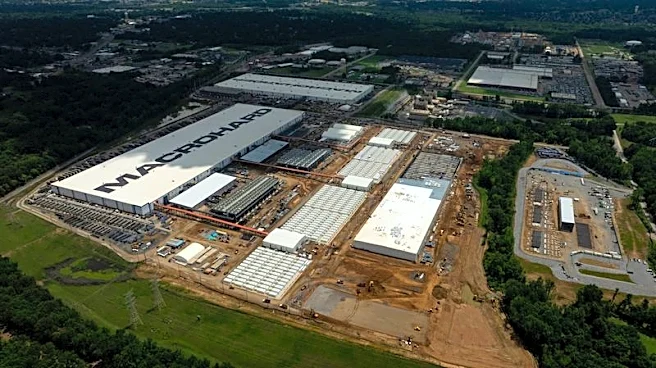
Elon Musk's ambitious AI data center projects in Greater Memphis, known as Colossus and Colossus II, have sparked significant public opposition due to environmental and noise concerns. These data centers, built to support Musk's AI ventures, have been
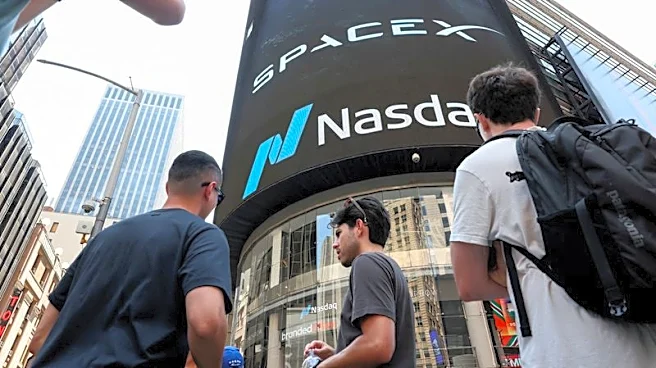
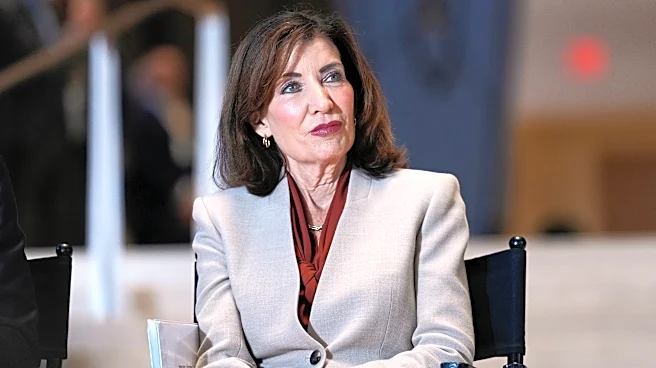
criticized for their impact on local communities, particularly due to the noise from gas-burning turbines and the lack of substantial job creation or tax revenue. Residents in Southaven, Mississippi, part of the Greater Memphis area, have expressed their dissatisfaction, with some joining a class action lawsuit against SpaceX, Musk's company, for creating a 'public nuisance.' The backlash has led to policy changes and legal actions in other states, with New York Governor Kathy Hochul enacting a one-year moratorium on AI data center construction. The controversy highlights the growing resistance to AI infrastructure developments across the U.S.
Why It's Important?
The opposition to Musk's data centers underscores a broader national debate on the environmental and social impacts of AI infrastructure. As AI technology continues to expand, the need for data centers grows, raising concerns about their environmental footprint and community impact. The backlash in Memphis serves as a cautionary tale for other regions considering similar developments. It also reflects a growing public demand for more sustainable and community-friendly tech infrastructure. The situation has influenced policy decisions, such as New York's moratorium, and could lead to stricter regulations on data center construction and operation. This resistance could impact the pace of AI development and the strategies of tech companies looking to expand their data processing capabilities.
What's Next?
The ongoing legal battles and public opposition are likely to influence future AI data center projects. Communities across the U.S. may push for more stringent regulations and better community engagement from tech companies. The legal outcomes of the lawsuits against SpaceX could set precedents for how environmental and noise concerns are addressed in future projects. Additionally, tech companies may need to invest in more sustainable technologies and practices to mitigate their environmental impact and gain public support. The situation in Memphis could also prompt other states to consider similar moratoriums or regulatory measures, potentially slowing down the expansion of AI infrastructure.
Beyond the Headlines
The controversy surrounding Musk's data centers highlights the ethical and social challenges of rapid technological advancement. It raises questions about the balance between innovation and community well-being, as well as the responsibilities of tech companies to the environments and communities they impact. The situation also reflects a growing public skepticism towards AI and its associated infrastructure, which could influence public policy and corporate strategies in the tech industry. As AI continues to evolve, addressing these ethical and social concerns will be crucial for gaining public trust and ensuring sustainable development.