





What's Happening?
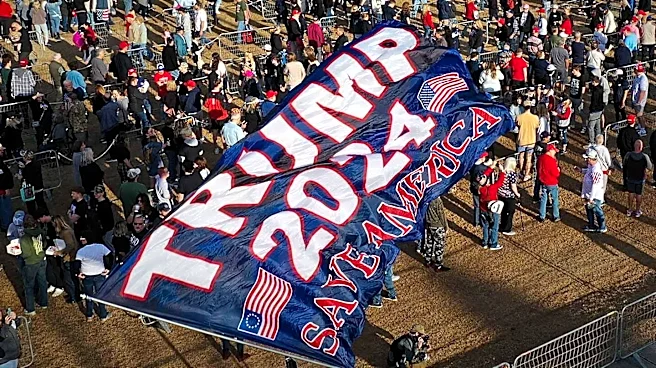
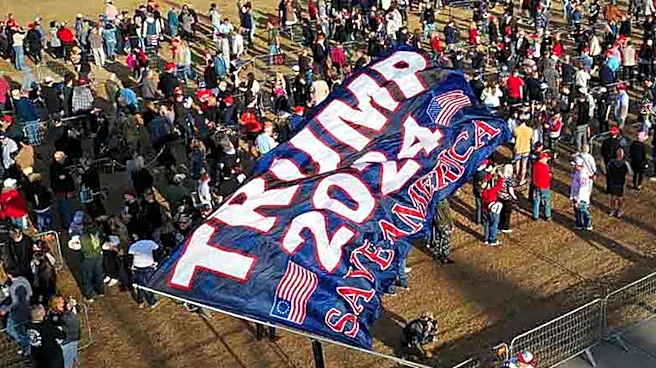
A Department of Homeland Security inspector general report has revealed significant lapses by the Secret Service during an attempted assassination of President Trump at a campaign rally in Butler, Pennsylvania, on July 13, 2024. The report highlights
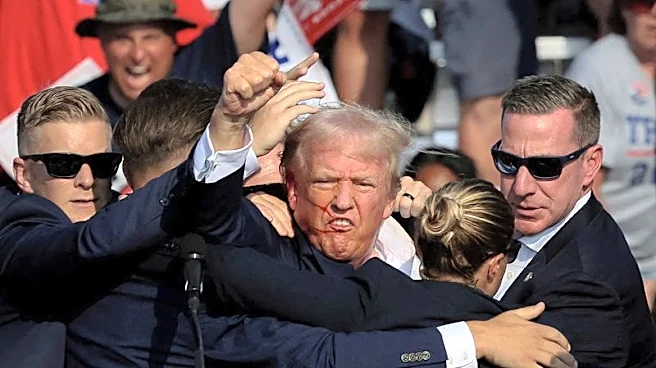
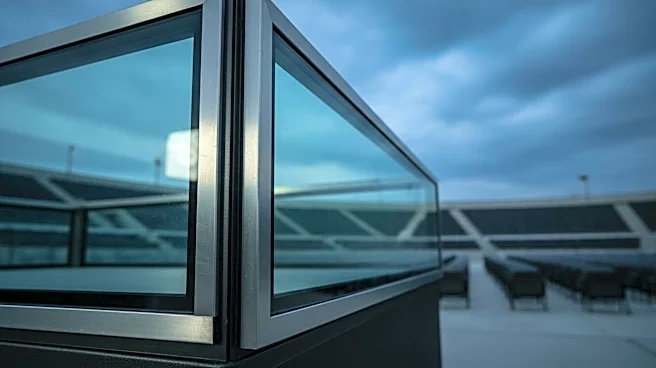
that a Secret Service counter drone operator was searching online for the location of a rooftop where the would-be assassin, Thomas Crooks, was spotted, as shots were fired. The Secret Service missed multiple opportunities to detect and prevent the attack due to communication failures. Local law enforcement had warned the Secret Service about a suspicious person on the roof of the American Glass Research International complex, but the information was not effectively communicated to the president's protective detail. Crooks fired shots, grazing President Trump's ear, injuring others, and killing one rally attendee before being shot and killed by law enforcement.
Why It's Important?
The report underscores critical vulnerabilities in the Secret Service's communication and coordination protocols, which could have had dire consequences for national security. The failure to establish a joint communications room with local law enforcement led to crucial warnings about the gunman going unheard. This incident raises concerns about the preparedness and effectiveness of the Secret Service in protecting high-profile figures, particularly during public events. The lapses could lead to a reevaluation of security protocols and training within the agency to prevent similar incidents in the future. The incident also highlights the importance of seamless communication between federal and local law enforcement agencies to ensure the safety of public figures and attendees at large gatherings.
What's Next?
In response to the report, there may be calls for reforms within the Secret Service to address the identified shortcomings. This could include enhanced training for agents, improved communication systems, and better coordination with local law enforcement. Additionally, there may be increased scrutiny of security measures at future political events, with potential changes in how protective details are managed. The findings could also prompt congressional oversight and hearings to ensure accountability and the implementation of necessary changes to protect public officials effectively.