






What's Happening?
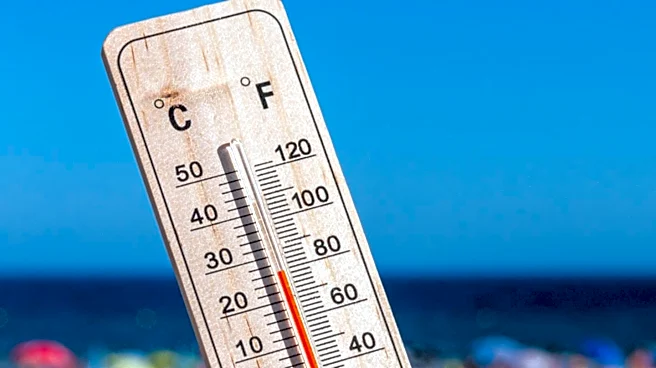
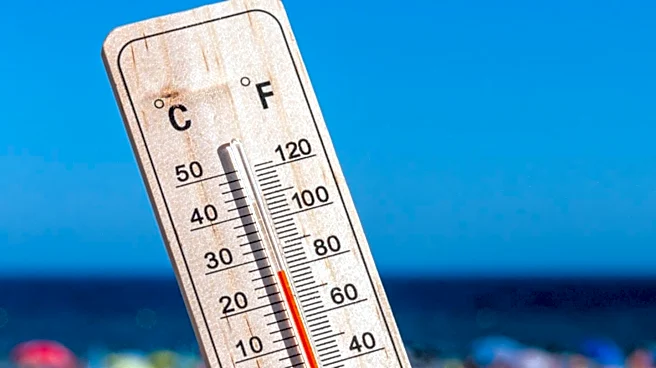
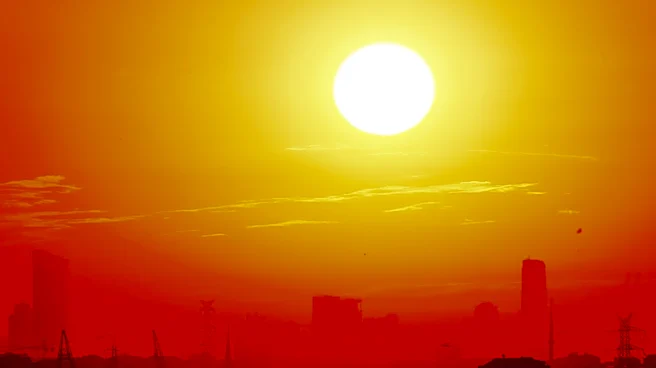
A significant heatwave is affecting much of the central and eastern United States, prompting emergency measures from federal, state, and local authorities. The National Weather Service has issued Extreme Heat Warnings for 26 states and Washington, D.C.,
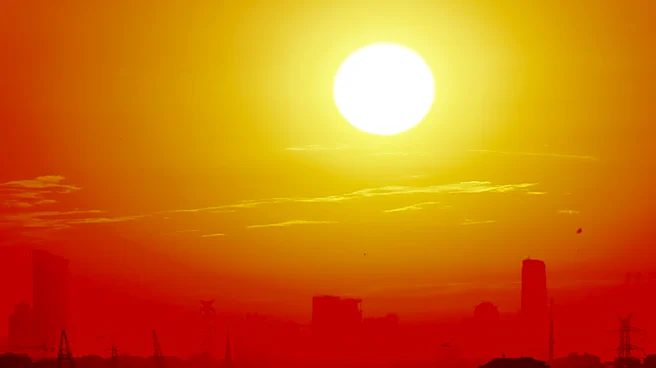
with heat index values potentially reaching 115°F. Major cities like New York, Philadelphia, and Boston are experiencing dangerous heat, leading to power cuts and transportation disruptions.
Why It's Important?
The heatwave highlights the increasing frequency and severity of extreme weather events due to climate change. The impact on infrastructure, public health, and daily life underscores the need for robust emergency response plans and long-term climate adaptation strategies. The situation also raises concerns about the resilience of the power grid and the need for energy conservation during peak demand periods.
What's Next?
Authorities may need to enhance public health messaging and expand access to cooling centers to protect vulnerable populations. The heatwave could prompt discussions on improving infrastructure resilience and energy efficiency to better cope with future extreme weather events. Additionally, the event may influence policy decisions related to climate change mitigation and adaptation.
Beyond the Headlines
The heatwave raises ethical considerations about energy use and conservation, particularly in densely populated areas. It also highlights the need for equitable access to cooling solutions, as lower-income populations may be disproportionately affected by extreme heat. The event may prompt a reevaluation of urban planning and building codes to enhance resilience against future heatwaves.