
What's Happening?
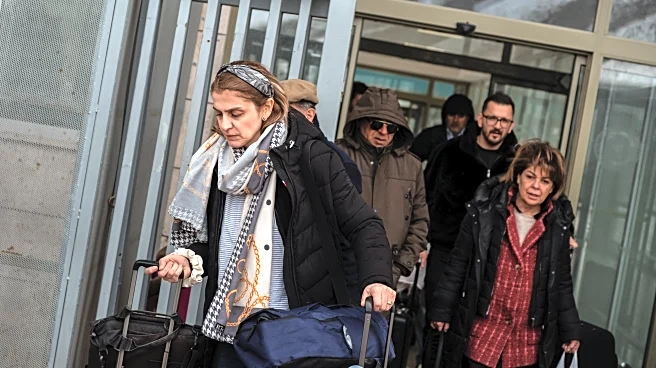
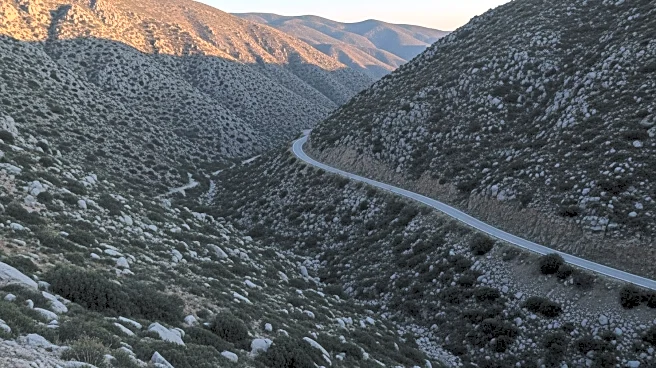
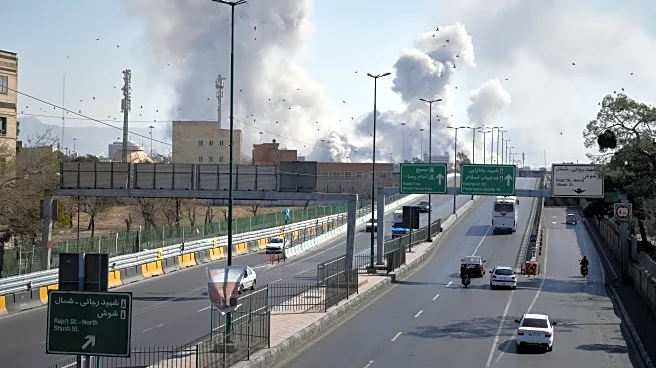
A land crossing near Turkey's Van province is one of the few routes available for Iranians to leave the country amid an airspace shutdown following U.S. and Israeli strikes on Tehran. Despite the conflict, few Iranians are leaving for good. Many travelers
at the Kapikoy border have connections in Turkey or are transiting to third countries. Some, like Reza Gol, a plastic surgeon, are visiting for work rather than fleeing permanently. Others, such as Iranian-Canadian citizens Pooneh Asghari and her husband, are reluctantly leaving with hopes of a brief stay abroad. Economic constraints and fear are keeping many Iranians from leaving, as noted by Fariba, who is waiting out the war in Turkey with her son. Turkey has enhanced its border defenses in anticipation of potential migration influxes, but so far, the expected mass exodus has not occurred.
Why It's Important?
The situation at the Iran-Turkey border highlights the complexities of migration during conflict. While Turkey has prepared for a potential influx of refugees, the limited number of Iranians crossing the border suggests economic and social factors are deterring mass migration. This scenario underscores the challenges faced by countries neighboring conflict zones, balancing humanitarian needs with national security concerns. The restrained movement also reflects the deep-rooted ties many Iranians have to their homeland, despite the ongoing conflict. For Turkey, managing this situation is crucial, given its history of hosting millions of refugees and the political sensitivities surrounding migration.
What's Next?
Turkey will likely continue to monitor the situation closely, maintaining its border defenses while preparing for any potential increase in migration. The ongoing conflict in the Middle East could lead to changes in migration patterns, depending on the conflict's duration and intensity. International diplomatic efforts may also influence the situation, potentially easing tensions and reducing the need for migration. Meanwhile, individuals like Fariba and Pooneh Asghari will continue to navigate the uncertainties of living between two worlds, balancing safety with their ties to Iran.