





What's Happening?
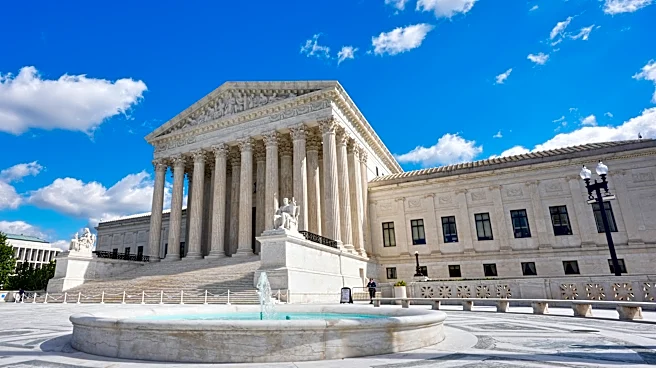
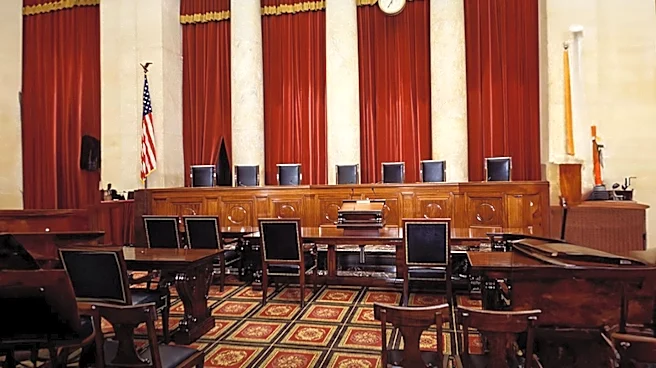
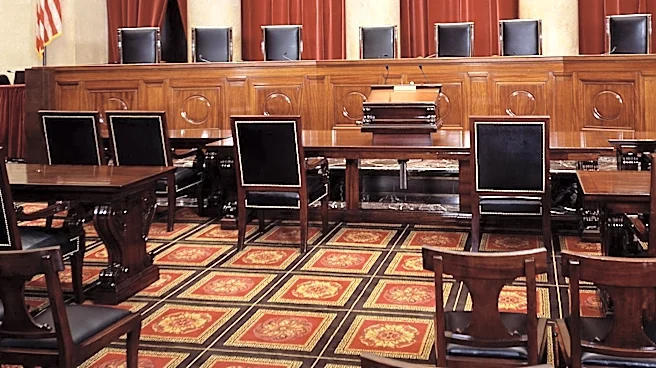
On October 5, 2026, the Supreme Court heard arguments in Suncor Energy (U.S.A.) Inc. v. County Commissioners of Boulder County, a case questioning whether cities and counties can sue oil companies for climate damages under state law. This case is pivotal,
as dozens of similar lawsuits are pending in state courts, seeking billions from energy companies for harms linked to global climate change. These cases increasingly rely on 'attribution science' to apportion the increased likelihood and economic harms of natural disasters to global warming and specific emitters. However, a July report from the National Academies of Sciences (NAS) concluded that the attribution methods commonly used when Suncor was filed in 2018 are 'no longer considered best practice' and are not justiciable under current U.S. law. The NAS report, while acknowledging that heat extremes and heavy rainfall are more likely due to warming, does not support converting these estimates into monetary figures with high confidence.
Why It's Important?
The Supreme Court's ruling in Suncor could have profound ramifications for climate litigation across the U.S. If the Court allows these state-level lawsuits to proceed, it could open the floodgates for numerous cases seeking financial compensation from energy companies, potentially reshaping the legal landscape for environmental accountability. Conversely, a ruling against the localities could significantly curtail the ability of states and municipalities to pursue climate-related damages through state tort law. This legal uncertainty impacts both the energy industry, which faces substantial financial liabilities, and communities grappling with the costs of climate change. The debate also highlights the tension between scientific methodologies for attributing climate impacts and the legal standards required for proving causation and damages in court, particularly concerning the difficulty of assigning a precise monetary value to climate-related harms.
What's Next?
The Supreme Court's decision in Suncor is expected next year and will likely set a precedent for the numerous climate lawsuits currently on hold. The ruling will not determine the specific amount of damages but rather whether these cases can even be heard in state courts. Regardless of the outcome, the debate over attribution science will continue to evolve. Legal experts and scientists will likely further refine methodologies for assessing climate-related damages, potentially leading to new legal strategies or legislative efforts. The shift observed in climate litigation from tort claims to consumer protection suits suggests that activists and litigators are adapting their approaches in response to the complexities of attribution science and legal precedent. This ongoing legal and scientific discourse will shape future efforts to hold entities accountable for their contributions to climate change.
Beyond the Headlines
This legal battle delves into the fundamental question of who bears the financial responsibility for the impacts of climate change. The challenge to attribution science in court raises ethical questions about the role of scientific evidence in legal proceedings and the potential for legal decisions to influence scientific standards. If courts are unable to reliably quantify climate damages, it could create a moral hazard where polluters face fewer direct financial consequences for their contributions to global warming. This situation also underscores the broader societal challenge of addressing complex, long-term environmental problems through existing legal frameworks, which are often designed for more immediate and direct harms. The outcome could influence public perception of corporate responsibility and the role of the judiciary in climate policy, potentially pushing for legislative solutions rather than relying solely on litigation.