



What's Happening?
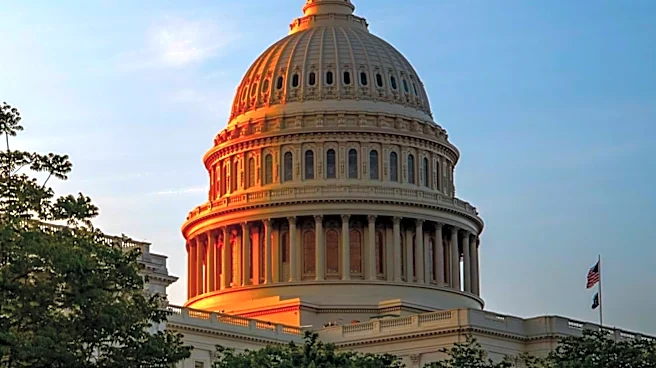
The Council on American-Islamic Relations Los Angeles (CAIR-LA) has announced Cenk Uygur, host of The Young Turks, as a keynote speaker for an upcoming gala. This decision follows public claims made by Uygur that Israel controls the United States Congress.
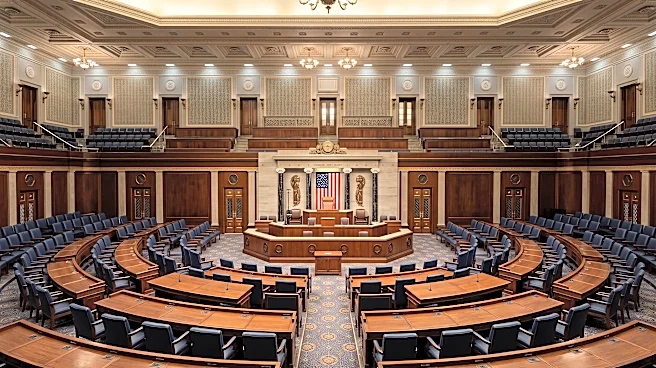
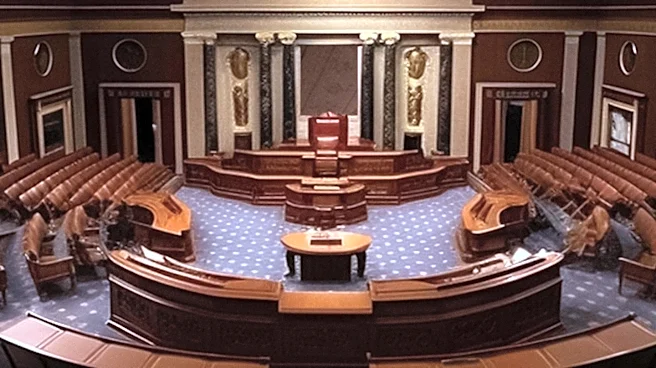
According to the International Holocaust Remembrance Alliance's working definition, such statements are classified as antisemitism. The announcement has drawn attention due to the controversial nature of Uygur's past remarks, which have also included questioning the official narrative of the 9/11 attacks. His involvement with CAIR has previously sparked debates regarding his perspectives on Israel and U.S. foreign policy. The House of Representatives recently passed a bill aimed at cutting funding for anti-Semitic boycotts, indicating a broader legislative focus on combating antisemitism in the U.S.
Why It's Important?
This development is significant as it highlights ongoing tensions surrounding free speech, alleged antisemitism, and the role of public figures in shaping discourse. CAIR-LA's decision to feature Uygur as a keynote speaker, despite his controversial statements, could be seen as either an endorsement or a challenge to the established definitions of antisemitism, particularly those adopted by international bodies like the International Holocaust Remembrance Alliance. This situation could further polarize public opinion and intensify debates about the boundaries of political commentary and the responsibility of organizations in platforming speakers with contentious views. For Jewish communities and anti-antisemitism advocacy groups, this event may be perceived as a setback in efforts to combat hate speech, potentially leading to increased calls for accountability from organizations that host such speakers. Conversely, supporters of Uygur may view this as an affirmation of his right to express his opinions, regardless of their controversial nature.
What's Next?
The upcoming CAIR-LA gala featuring Cenk Uygur is likely to attract significant attention and potential protests from various groups. It could also prompt further statements or actions from organizations dedicated to combating antisemitism, potentially leading to calls for sponsors or attendees to withdraw their support. The incident may also fuel broader discussions within media and political circles regarding the criteria for selecting keynote speakers and the implications of platforming individuals whose statements are deemed controversial or antisemitic. Depending on the reactions and the content of Uygur's speech, there could be renewed scrutiny on CAIR-LA's stance on antisemitism and its relationship with other advocacy groups. This event may also influence future decisions by other organizations when considering speakers with similar backgrounds or views.
Beyond the Headlines
The controversy surrounding Cenk Uygur's keynote address at the CAIR-LA gala delves into deeper issues concerning the interpretation and application of antisemitism definitions in public discourse. The International Holocaust Remembrance Alliance's working definition, which classifies claims of Israeli control over Congress as antisemitic, is a widely recognized standard. However, its application in specific cases, particularly involving public figures, often sparks debates about censorship versus accountability. This situation also underscores the complex interplay between media personalities, advocacy groups, and political narratives, especially concerning sensitive geopolitical topics. The event could highlight a growing divide in how different communities perceive and address allegations of antisemitism, potentially leading to a re-evaluation of how such claims are adjudicated and discussed in the public sphere. It also raises questions about the role of organizations in fostering inclusive dialogue while upholding principles of anti-discrimination.