





What's Happening?
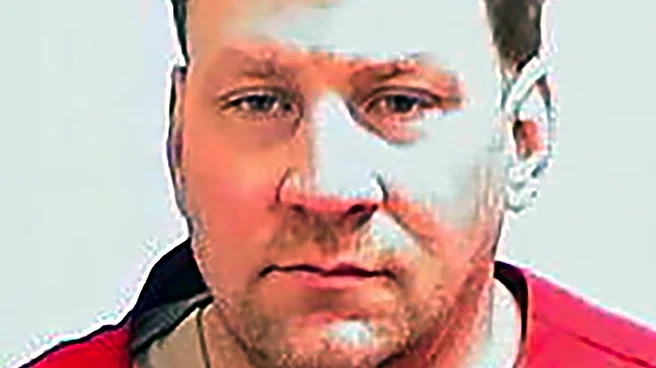
Joaquín 'El Chapo' Guzmán Loera, currently serving a life sentence in ADX Florence federal prison in Colorado, is seeking to reestablish communication with his wife, Emma Coronel Aispuro. According to his lawyer, Mariel Colón, a petition will be filed
with U.S. authorities to allow supervised telephone calls between Guzmán and Coronel. This request comes after nearly a decade of no direct contact between the couple. Guzmán has been under strict communication restrictions since his extradition to the United States in January 2017. Emma Coronel was released in 2023 after serving a sentence in the U.S. for crimes related to Guzmán's criminal organization. While their daughters have maintained some authorized communication with Guzmán, direct contact with his wife has been prohibited. The defense's intention to file this petition does not guarantee authorization, as the final decision rests with U.S. penitentiary authorities.
Why It's Important?
This development highlights the ongoing legal efforts by high-profile inmates to maintain personal connections despite severe incarceration conditions. For Guzmán, reestablishing contact with his wife could be seen as an attempt to regain a semblance of personal life within the confines of a supermax prison, which is designed to isolate inmates. For Emma Coronel, who has recently regained her freedom, this could signify a step towards rebuilding personal ties that were severed due to legal entanglements. The decision by U.S. authorities will set a precedent for how communication restrictions are managed for inmates in high-security facilities, particularly those with significant public profiles. It also underscores the complexities of balancing punitive measures with inmates' rights to family contact, even under strict supervision. The outcome could influence future legal strategies for other inmates facing similar communication bans.
What's Next?
Guzmán's legal team, led by Mariel Colón, plans to formally submit the petition to U.S. authorities. The request will then undergo evaluation by U.S. penitentiary officials, who will determine if conditions exist to authorize any form of contact, specifically supervised telephone calls. There is no set timeline for when a decision might be made, and the process could involve legal arguments and administrative reviews. If approved, it would mark a significant change in Guzmán's communication privileges, allowing him to speak with Emma Coronel for the first time in nearly ten years. Conversely, a denial would maintain the current strict communication regime, further isolating him from his wife. The decision will likely be closely watched by legal experts and the public, given Guzmán's notoriety.
Beyond the Headlines
The attempt by Joaquín Guzmán to communicate with his wife touches upon broader discussions regarding human rights within the U.S. correctional system, even for individuals convicted of severe crimes. While the U.S. prison system aims to ensure public safety and administer justice, it also faces scrutiny over the extent of isolation imposed on inmates, particularly in supermax facilities like ADX Florence. The case could reignite debates about the psychological impact of prolonged isolation and the balance between security measures and the maintenance of family ties. Ethically, it raises questions about the degree to which personal relationships should be severed as part of a criminal sentence. Legally, the petition will test the boundaries of inmate communication rights under extreme security protocols, potentially influencing future policies or legal challenges regarding communication access for high-security prisoners.