


What's Happening?
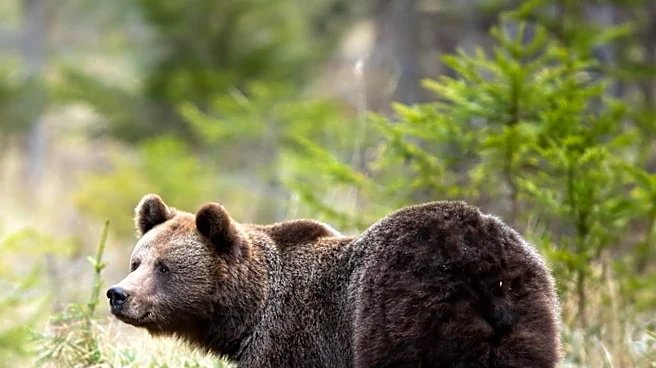
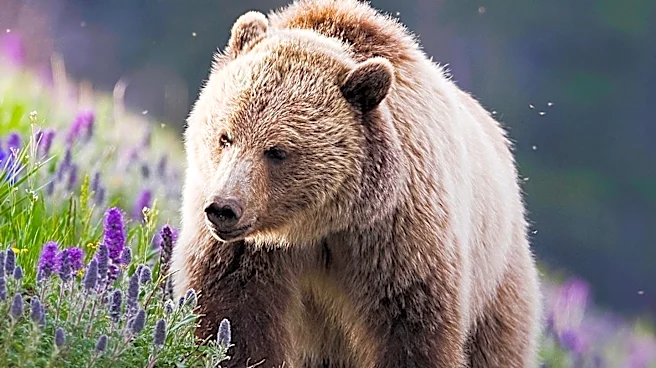
Grizzly bear deaths in the Greater Yellowstone Ecosystem have reached a modern record high for the third consecutive year, with 81 known mortalities recorded as of October 21, 2026. This figure surpasses previous highs of 74 in 2025 and 72 in 2024. An
additional mortality is yet to be logged, bringing the total to 82. The majority of these deaths, approximately 65%, are human-caused, which is a consistent trend. Higher-than-average causes in 2026 include cattle/livestock depredation (1.6 times average), accidental deaths (2 times average), and natural causes (3.6 times average). Despite the increase, wildlife managers, including Wyoming Game and Fish Department Large Carnivore Supervisor Dan Thompson, state that the population is not in decline due to sufficient recruitment.
Why It's Important?
The sustained increase in grizzly bear mortalities, particularly human-caused ones, highlights growing conflicts between humans and wildlife in the Yellowstone region. This trend is significant for conservation efforts and the ongoing debate surrounding the delisting of grizzly bears from the Endangered Species Act. While wildlife managers currently view the population as stable, continued high mortality rates could complicate future delisting attempts and intensify calls for more robust conflict mitigation strategies. The data also points to the challenges of managing a recovering predator population in an increasingly human-modified landscape, affecting ranchers, outdoor enthusiasts, and local communities. The high number of natural deaths, particularly bear-on-bear incidents, suggests a self-regulating mechanism within the population at higher densities.
What's Next?
Wildlife managers anticipate a third attempt to delist grizzly bears from their threatened status under the Endangered Species Act. The U.S. Fish and Wildlife Service is finalizing a rule to grant states more management latitude. However, past delisting attempts have been overturned by courts, citing concerns about food sources and genetic diversity. While current high mortality figures may not directly impact the delisting decision, they could influence public and judicial scrutiny. Continued monitoring by the Interagency Grizzly Bear Study Team will be crucial to understand long-term population dynamics. Efforts to reduce human-bear conflicts, particularly those related to livestock and accidental encounters, will likely remain a priority for state and federal agencies.
Beyond the Headlines
The rising grizzly bear mortality rates reflect a complex interplay of ecological and social factors. As grizzly populations expand and their range overlaps more with human activity, conflicts are inevitable. This situation prompts deeper discussions about land use, agricultural practices in bear habitats, and the effectiveness of current wildlife management policies. The debate over delisting also touches upon the philosophical question of how much human intervention is appropriate in managing recovering species and whether states are adequately equipped to handle such responsibilities. The increase in natural bear-on-bear deaths also suggests a density-dependent population regulation, indicating a robust, albeit sometimes brutal, natural system at play within the ecosystem.