




What's Happening?
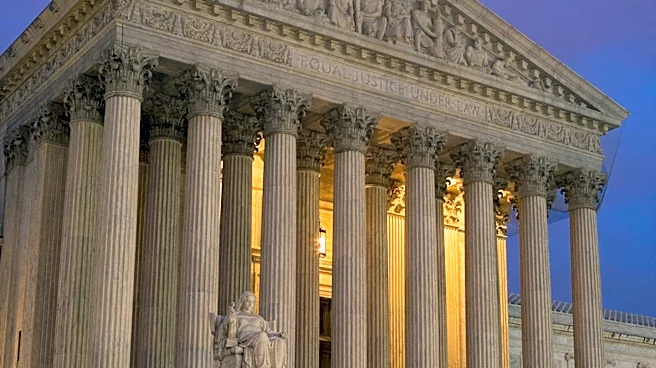
With the midterm elections approaching, recent Supreme Court rulings and legislative changes are significantly altering the U.S. voting landscape. The Supreme Court has narrowed the Voting Rights Act, impacting the creation of majority-minority districts,
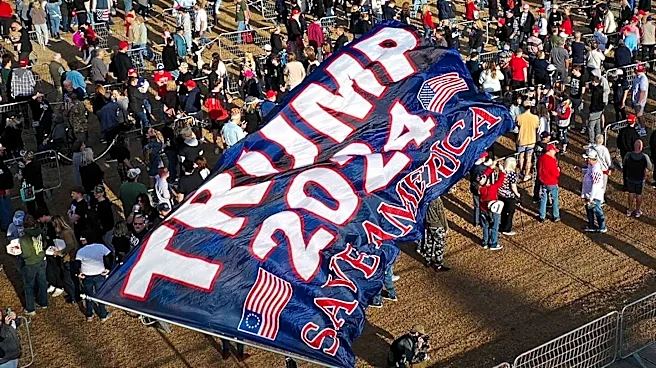
which has led to Southern states redrawing maps to reduce Black representation. Additionally, the court has struck down limits on political party spending, potentially increasing the influence of wealthy individuals in elections. President Trump is advocating for the SAVE America Act, which would impose strict ID requirements for voting, including the need for a passport or birth certificate to register. This move is seen as part of a broader strategy to challenge election results and sow distrust in the electoral system.
Why It's Important?
These developments have profound implications for U.S. democracy and civil rights. The weakening of the Voting Rights Act could lead to reduced representation for minority groups, particularly in the South, potentially reversing decades of progress in civil rights. The removal of spending limits could further skew political influence towards wealthy individuals and entities, undermining the democratic principle of equal representation. The proposed SAVE America Act could disenfranchise millions of voters who lack the required documentation, disproportionately affecting marginalized communities. These changes could increase political polarization and partisanship, as states redraw districts to maximize party advantages, potentially leading to a less competitive and more divided political landscape.
What's Next?
As the midterms approach, the impact of these changes will become more apparent. States are likely to continue redrawing districts, potentially leading to legal challenges and further court rulings. The SAVE America Act, if pursued, could face significant opposition and legal scrutiny. The political landscape may see increased activism and calls for reform, particularly around issues of voting rights and campaign finance. The potential for increased polarization and partisanship could lead to heightened tensions and challenges in the electoral process, with significant implications for future elections and governance.
Beyond the Headlines
The broader implications of these developments include potential shifts in the balance of power in Congress and state legislatures, as well as long-term impacts on voter engagement and trust in the electoral process. The changes could also influence public discourse on civil rights and democracy, prompting debates on the role of the judiciary and the need for electoral reforms. The intersection of race, politics, and law in these developments highlights ongoing challenges in achieving a truly representative and equitable democratic system in the U.S.