

What's Happening?
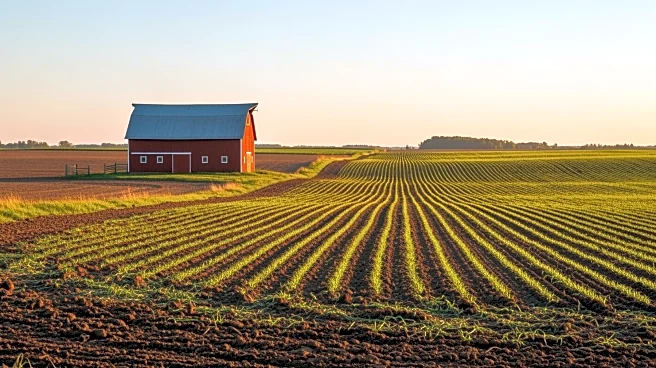
In Iowa, a state-led initiative known as the Cattle and Conservation Working Lands Program is aiding farmers in converting less productive crop lands into pastures. This program, which began as a pilot in 2016, is administered by the Iowa Department of
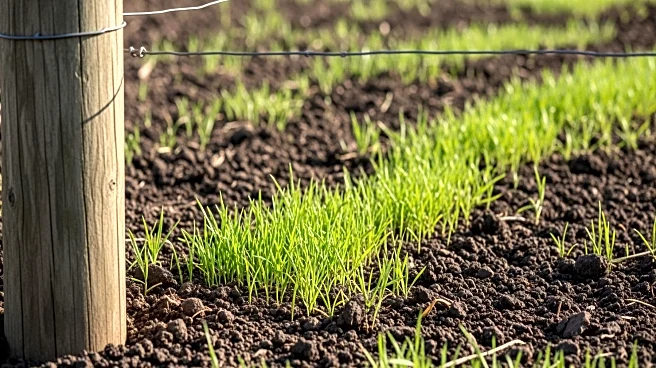
Agriculture and Land Stewardship (IDALS) and now operates in eight counties. It provides cost-share funding and technical support to farmers, enabling them to implement conservation measures such as adding fencing and water sources for grazing. The program has successfully converted over 16,000 acres of land from row crops to pasture and established more than 195,000 acres of cover crops. These efforts aim to improve soil and nutrient conservation while providing water quality benefits. The program has been extended for another three years, with funding from the state's Water Quality Initiative.
Why It's Important?
The program is significant as it addresses both agricultural productivity and environmental conservation. By converting less productive lands into pastures, the initiative helps stabilize soil, reduce erosion, and improve water quality. This dual focus supports the agricultural economy by enhancing cattle grazing opportunities and promoting sustainable farming practices. The program also provides financial assistance to farmers, encouraging them to adopt conservation measures that might otherwise be financially unfeasible. As the U.S. cattle herd is at a historic low, such initiatives are crucial for revitalizing the cattle industry and ensuring long-term agricultural sustainability. Additionally, the program serves as a potential model for federal agricultural policies, demonstrating that conservation can coexist with productive land use.
What's Next?
The program's extension for three more years indicates ongoing support for conservation efforts in Iowa. As the initiative continues, it may influence broader agricultural policies, potentially being incorporated into the federal Farm Bill. The program's success could encourage other states to adopt similar models, promoting conservation without reducing agricultural productivity. Farmers participating in the program will likely continue to benefit from improved grazing systems and enhanced land management practices. The initiative's focus on younger farmers, like Bailie Walters, suggests a generational shift towards more sustainable farming practices, which could have long-term positive impacts on the agricultural landscape.