





What's Happening?
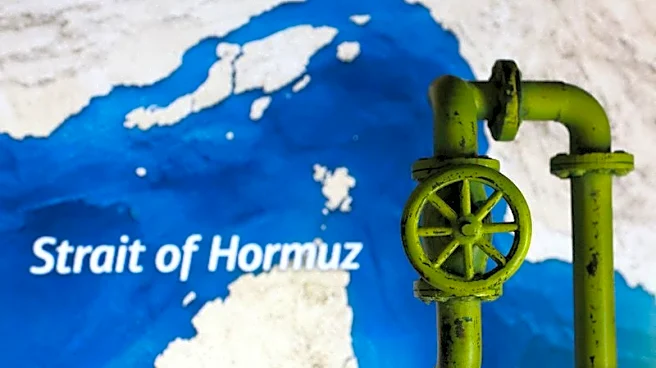
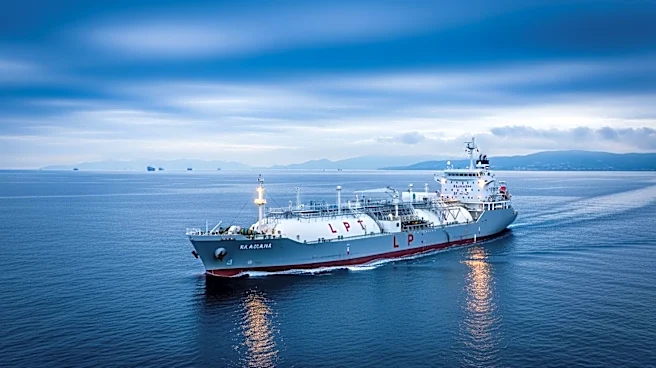
Recent tracking data from LSEG and Kpler indicates that two more Indian-flagged liquefied petroleum gas (LPG) tankers have departed the Gulf, carrying fuel to a South Asian nation. This movement occurs amidst significant disruptions in the Strait of Hormuz
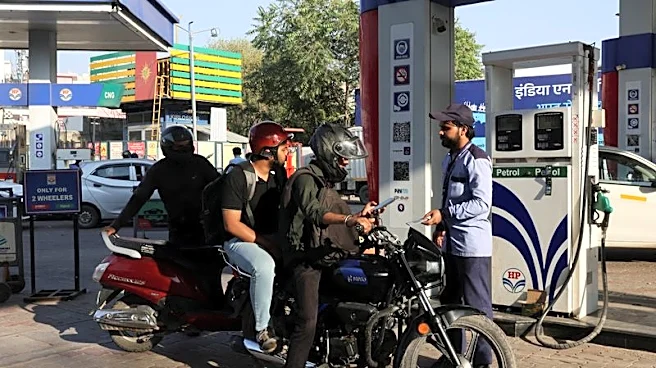
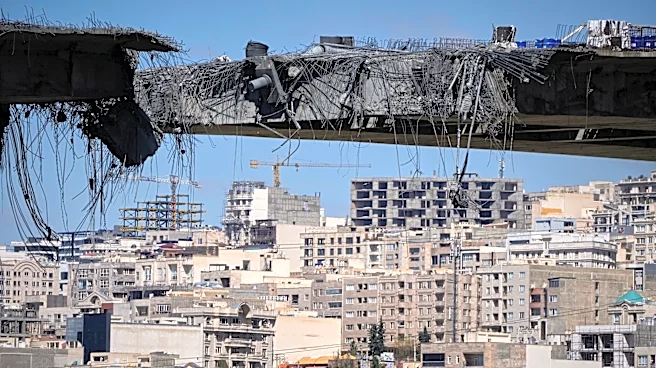
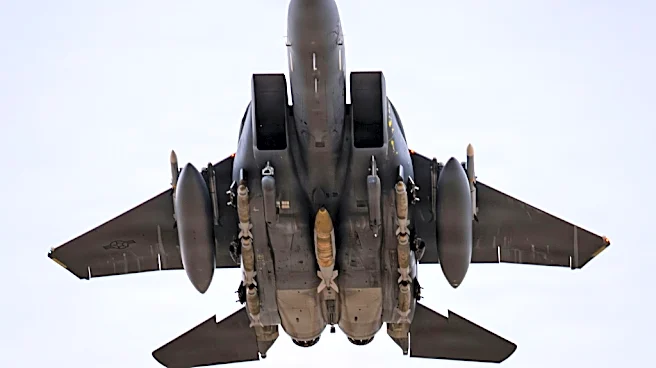
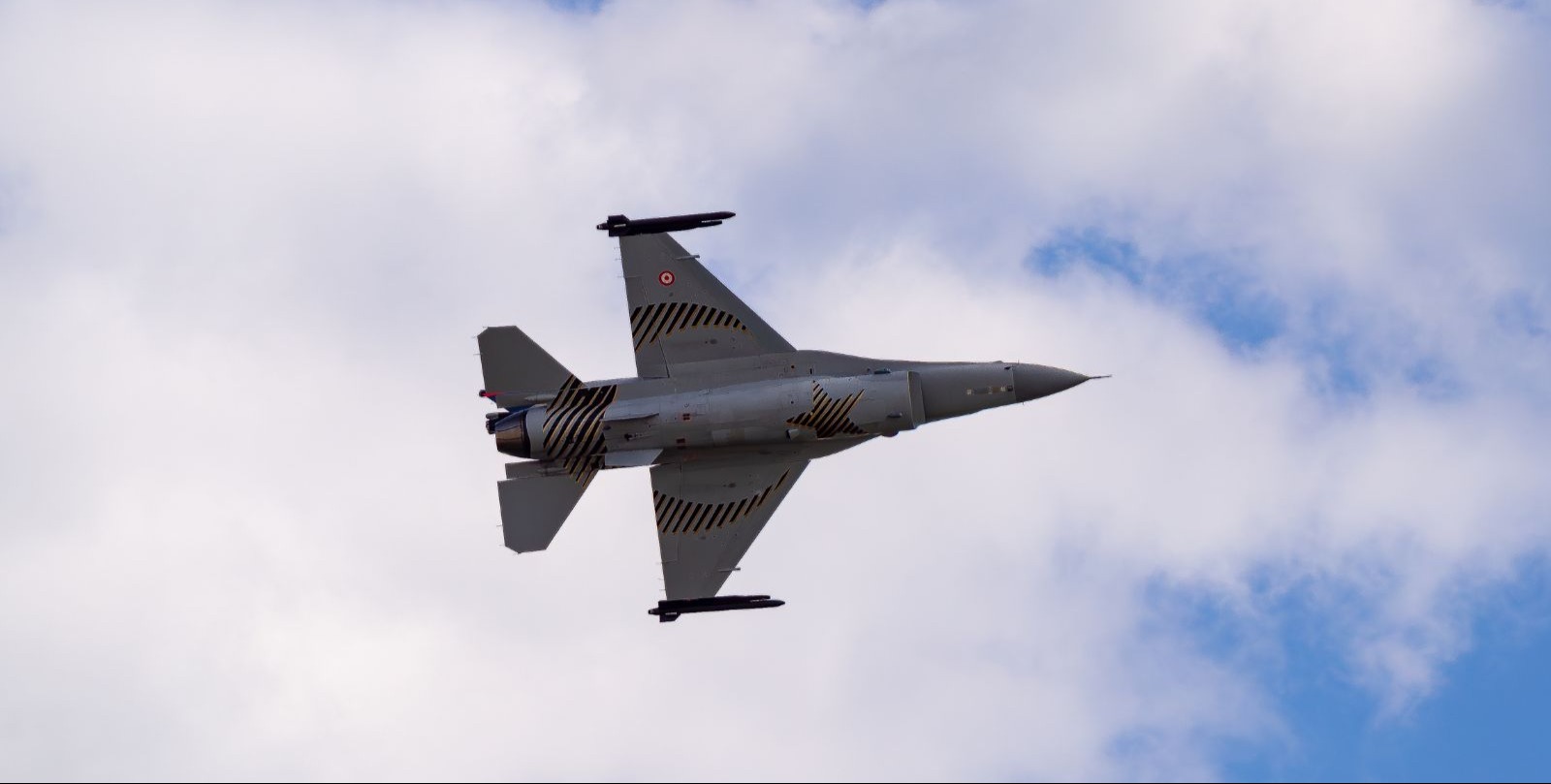
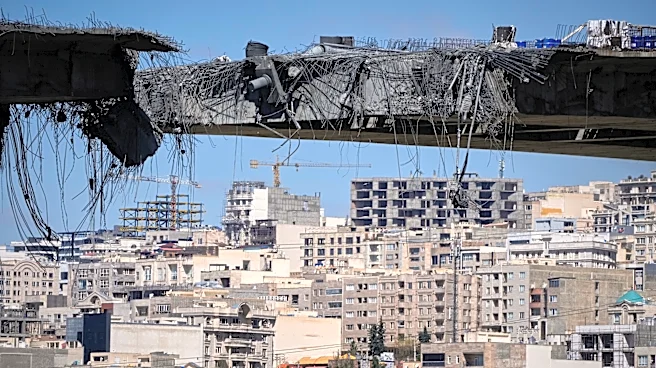
due to the U.S. and Israeli conflict with Iran, which has severely impacted shipping routes. Despite these challenges, Iran has stated that non-hostile vessels can transit the waterway if they coordinate with Iranian authorities. The total number of Indian LPG carriers that have successfully crossed the Strait now stands at eight, with several already reaching India. The country, being the second-largest LPG importer globally, is facing severe gas shortages, prompting the government to prioritize household supplies over industrial use.
Why It's Important?
The movement of Indian LPG ships through the Gulf is crucial for addressing India's domestic energy needs amidst one of its worst gas shortages in decades. The reliance on Middle Eastern imports, which constituted 90% of India's LPG demand last year, highlights the vulnerability of global supply chains to geopolitical tensions. The ability of Indian vessels to navigate these challenges and secure fuel supplies is vital for maintaining energy stability and preventing further economic disruptions. This situation underscores the importance of strategic energy planning and the need for countries to diversify their energy sources to mitigate risks associated with regional conflicts.
What's Next?
As the geopolitical situation in the Middle East remains volatile, India and other major LPG importers may need to explore alternative supply routes and sources to ensure energy security. The ongoing conflict could lead to further disruptions, prompting countries to strengthen diplomatic engagements with key energy suppliers. Additionally, India may consider increasing its domestic production capabilities or investing in renewable energy sources to reduce dependency on imports. The international community will likely continue to monitor the situation closely, as any escalation could have broader implications for global energy markets.