






What's Happening?
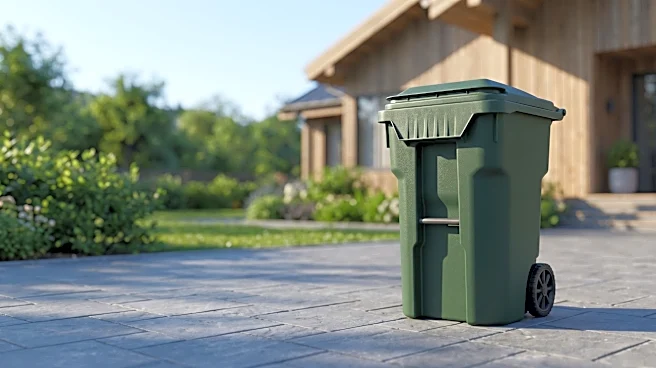
The City of Ann Arbor has expanded its composting program by installing new community food scrap drop-off bins at three locations: the Ann Arbor Farmers Market, Traverwood Branch Library, and Esch Park. This initiative aims to make composting more accessible
for residents who do not have curbside cart collection services. To utilize these bins, residents must first complete an online application and receive approval for the program. Approved participants will be provided with instructions to download and use a mobile app, which is required to unlock the bins. For individuals without smartphones, an alternative unlocking method via an emailed code will be made available. The bins are kept locked to prevent contamination and ensure only approved materials are deposited. Accepted items include all food scraps, coffee grounds, paper coffee filters, loose tea, cut flowers, and small houseplants.
Why It's Important?
This expansion of composting access is a significant step for Ann Arbor in achieving its broader sustainability goals, particularly those outlined in the A2ZERO Carbon Neutrality Plan. By making it easier for residents to compost food scraps, the city is directly addressing one of the plan's core strategies: transforming how materials are used, reused, and disposed of. Diverting food waste from landfills reduces greenhouse gas emissions, as organic matter in landfills produces methane, a potent greenhouse gas. The collected food scraps will be composted locally at the Ann Arbor Compost Facility, converting waste into a valuable resource. This compost will then be available to residents each spring, allowing them to 'take back' up to one cubic yard for use in home gardens, thereby enriching local soil and promoting sustainable gardening practices. This program benefits the environment by reducing waste and supports community engagement in climate action.
What's Next?
The City of Ann Arbor will continue to monitor the usage and effectiveness of the new food scrap drop-off bins. Residents interested in participating are encouraged to apply online at a2gov.org/foodscraps. The city will also provide ongoing support for approved participants, including technical assistance for the mobile app and alternative unlocking methods. In the spring, residents will have the opportunity to collect free finished compost from the Ann Arbor Compost Facility, with more information available at a2gov.org/compost. The success of this program could lead to further expansions of composting services or similar waste reduction initiatives in the future, as the city progresses towards its A2ZERO Carbon Neutrality Plan objectives. Continued public engagement and adherence to the program guidelines will be crucial for its long-term success and environmental impact.
Beyond the Headlines
Beyond the immediate environmental benefits of waste diversion, Ann Arbor's expanded composting program reflects a growing trend in urban sustainability efforts across the U.S. It highlights a shift towards circular economy principles, where waste is viewed as a resource rather than something to be discarded. This initiative also underscores the importance of community participation in achieving ambitious climate goals. By providing accessible infrastructure and clear guidelines, the city empowers individual residents to contribute directly to carbon neutrality. The program could serve as a model for other municipalities grappling with waste management and climate change, demonstrating how local action can have a tangible impact. Furthermore, the availability of free compost promotes local food systems and gardening, fostering a deeper connection between residents and their environment, and potentially enhancing urban green spaces and food security.