







What's Happening?
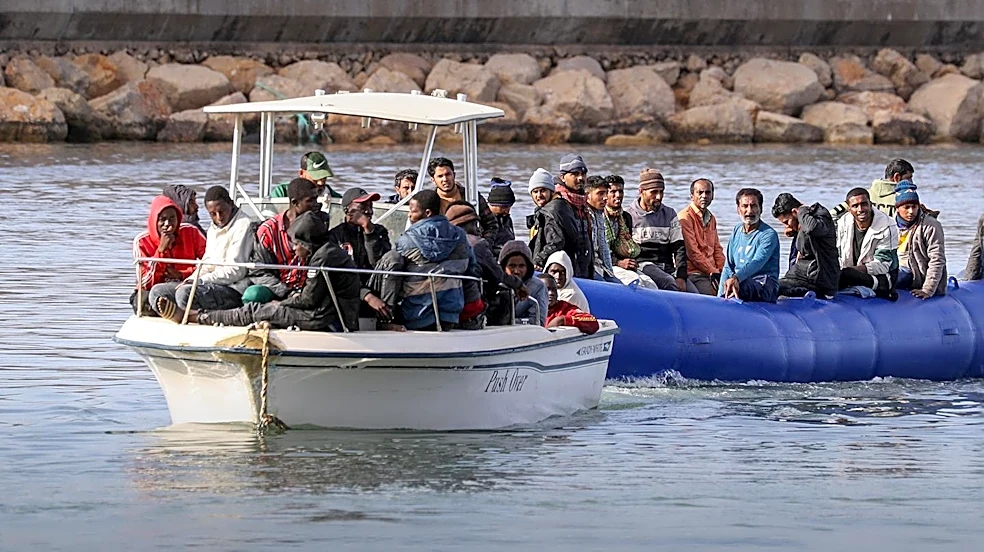
Marin County officials are encountering strong opposition from a group of boat owners, known as 'anchor outs,' who are refusing to leave Richardson Bay. These individuals have been living on their vessels, often rent-free, for extended periods. Officials
view these boats as environmental hazards and public safety concerns, citing issues such as abandoned vessels, pollution from rubbish and human waste, and damage to eelgrass beds caused by anchors. The county has been actively working to clear the bay, offering incentives like $150 per foot for surrendered boats and temporary housing assistance funded by a $3 million state grant. However, many 'anchor outs' are resisting these efforts, with some expressing a determination to remain on the water despite the risks and official directives. The crackdown has led to a division among locals, with some supporting the county's efforts to clean up the bay and others lamenting the loss of a unique maritime culture.
Why It's Important?
This situation highlights a growing conflict between environmental regulations, public safety concerns, and the rights of individuals seeking alternative, often affordable, living arrangements in high-cost areas. The 'anchor outs' movement in Marin County reflects a broader societal challenge in regions with soaring housing prices, where unconventional living solutions emerge. The county's efforts to enforce environmental and safety standards are crucial for protecting marine ecosystems, such as the eelgrass beds vital for marine life, and for ensuring the safety of all bay users. However, the resistance from boat dwellers underscores the human element of such policies, as many have established their lives on the water due to economic necessity or a chosen lifestyle. The outcome of this conflict could set precedents for how other coastal communities address similar issues, balancing ecological preservation with social welfare and individual freedoms.
What's Next?
Marin County officials are expected to continue their efforts to clear Richardson Bay of what they deem illegally anchored vessels. The 'anchor outs,' however, are likely to maintain their resistance, potentially leading to further confrontations. The legal and social implications of forcing these individuals ashore, especially those who have no alternative housing, will remain a significant challenge. The depletion of housing assistance funds, as noted in May 2025, suggests that the county may face increased difficulties in providing viable alternatives for those displaced. This ongoing struggle could prompt further public debate and potentially legal challenges regarding property rights, environmental regulations, and social responsibility in addressing homelessness and unconventional living situations in affluent areas.
Beyond the Headlines
The conflict in Richardson Bay delves into deeper societal issues beyond immediate environmental and safety concerns. It exposes the widening gap in housing affordability in regions like the Bay Area, pushing some individuals to adopt unconventional and often precarious living situations. The historical context of the 'anchor outs' community, dating back to post-World War II, highlights a long-standing tradition of independent maritime living that is now clashing with modern urban development and environmental protection mandates. This situation raises ethical questions about the balance between enforcing regulations for the common good and respecting individual autonomy and the right to shelter. The emotional attachment of residents like Chad Wycliffe to their way of life underscores the profound impact of such policies on personal identity and community, suggesting that a purely regulatory approach may overlook the complex human dimensions of the issue.