







What's Happening?
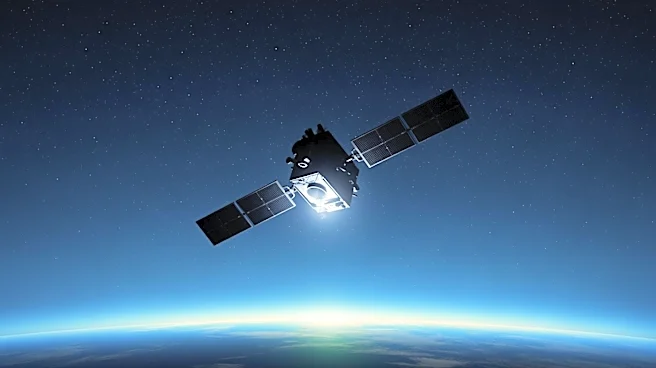
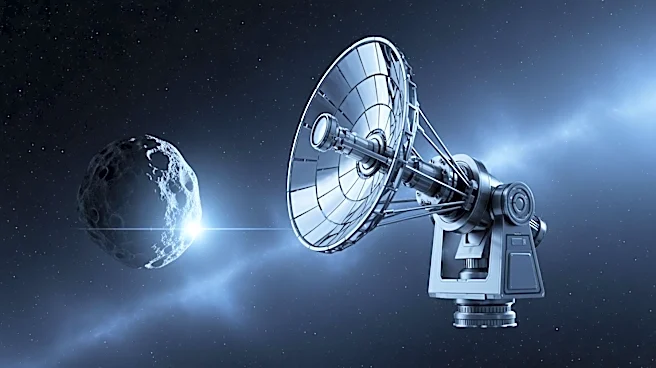
NASA is advancing its efforts to detect potentially hazardous near-Earth objects (NEOs) with the development of the NEO Surveyor, an infrared space telescope. Scheduled for launch no earlier than September 2027, the telescope is designed to discover asteroids
and comets that pose risks to Earth. The NEO Surveyor will operate from the Sun-Earth Lagrange point, scanning the sky for five years to identify objects that ground-based telescopes might miss. The mission aims to provide critical data for planetary defense by detecting NEOs that are difficult to observe due to their size, darkness, or proximity to the Sun.
Why It's Important?
The NEO Surveyor represents a significant advancement in planetary defense, addressing the challenge of detecting asteroids and comets that could threaten Earth. By using infrared technology, the telescope can identify objects that are not visible to optical telescopes, providing early warnings and enabling potential mitigation strategies. This mission is crucial for safeguarding the planet and enhancing our understanding of the solar system. The data collected will support efforts to predict and prevent potential impacts, contributing to global safety and security.
What's Next?
As the NEO Surveyor undergoes integration and testing, NASA's science team is developing survey strategies to maximize the mission's capabilities. Once operational, the telescope will transmit data to Earth, where it will be processed and analyzed to identify NEOs. The mission's findings will be shared with planetary defense organizations to assess impact risks and inform response strategies. The successful deployment and operation of the NEO Surveyor will mark a milestone in space exploration and planetary defense.