




What's Happening?
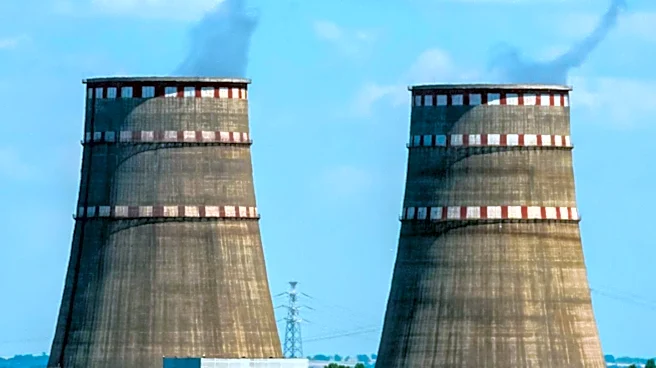
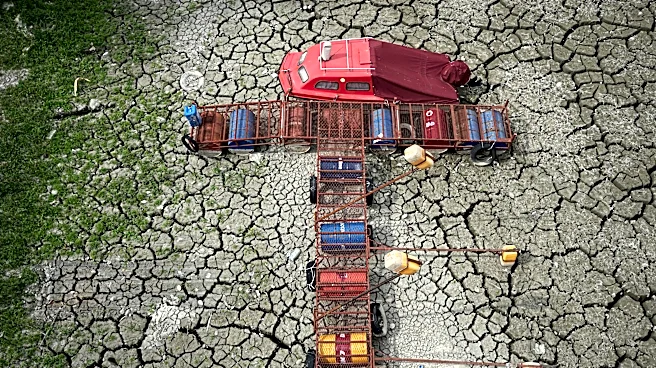
Europe's recent heatwaves have exposed vulnerabilities in nuclear power generation, leading to temporary shutdowns or reduced output at several plants in France, Hungary, and Romania. Nuclear power plants require vast amounts of water for cooling, and the
extreme heat combined with drought conditions has significantly lowered water levels in major rivers, impacting their operational capacity. This situation highlights a critical challenge for nuclear energy, often touted as a clean and reliable baseload power source, as its performance is increasingly susceptible to climate-related events. While nuclear energy does not emit carbon dioxide during electricity generation, experts point out that its overall carbon footprint includes embodied carbon from construction, uranium mining, transport, and waste disposal. The Fukushima Daiichi Nuclear Power Plant meltdown in 2011 initially led many countries to reconsider nuclear expansion, but recent energy crises have reignited calls for its increased use.
Why It's Important?
The challenges faced by European nuclear power plants due to heatwaves have significant implications for the global energy landscape, including the U.S. As climate change intensifies, the reliability of nuclear energy, particularly its dependence on consistent water sources for cooling, becomes a critical factor in energy planning. This situation could influence U.S. policy decisions regarding new nuclear capacity, prompting a re-evaluation of site selection and climate resilience measures for future plants. The debate over nuclear energy's 'green' credentials is also crucial, as a comprehensive assessment of its environmental impact, beyond just operational emissions, is necessary for effective climate strategies. If nuclear power proves less resilient to climate extremes than previously assumed, it could shift investment towards other renewable sources or necessitate substantial infrastructure upgrades to ensure continued operation, impacting energy costs and grid stability.
What's Next?
In response to these challenges, policymakers and energy companies in Europe and potentially the U.S. may need to prioritize climate resilience in nuclear power plant design and operation. This could involve exploring alternative cooling technologies, investing in water management infrastructure, or re-evaluating the suitability of current plant locations. The incident also underscores the need for diversified energy portfolios that can withstand extreme weather events. Further research into the full lifecycle carbon footprint of nuclear energy, including construction and waste management, is likely to intensify. The European Union's focus on battery energy storage systems (BESS) as a crucial technology to manage intermittent renewable energy sources might also gain traction as a complementary solution to ensure grid stability, especially if nuclear power's reliability is compromised by climate events.
Beyond the Headlines
The vulnerability of nuclear power to climate change introduces a complex ethical and strategic dilemma. While nuclear energy offers a low-carbon alternative to fossil fuels, its susceptibility to environmental factors like heatwaves and droughts raises questions about its long-term viability as a primary baseload power source in a warming world. This situation could accelerate the development of advanced reactor designs that are less water-intensive or more resilient to extreme temperatures. Furthermore, it highlights the interconnectedness of energy security, climate change, and infrastructure planning. The public perception of nuclear energy, already sensitive due to safety concerns, could be further impacted by its operational challenges during climate events, potentially influencing political will and investment in the sector. The incident also emphasizes the need for a holistic approach to energy policy that considers not only carbon emissions but also resource availability and climate resilience.