
What's Happening?
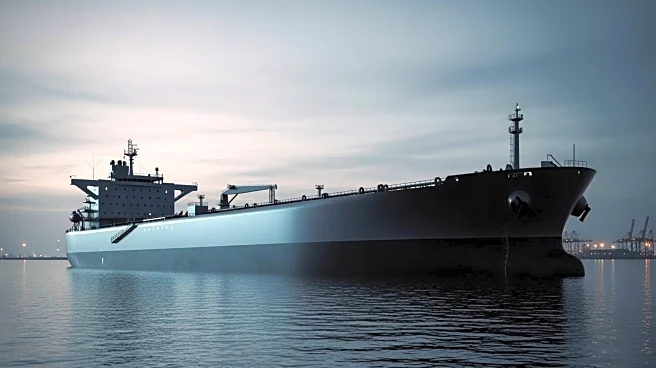
The United States has seized a Venezuelan oil tanker named Skipper off the coast of Venezuela, marking a significant escalation in tensions between Washington and Caracas. This move is part of a broader
U.S. strategy to increase pressure on Venezuelan President Nicolas Maduro by targeting the country's oil exports, which have been under U.S. sanctions since 2019. The Skipper was intercepted while transporting Venezuelan crude oil, and it is believed to be part of a 'dark fleet' that carries sanctioned oil to various destinations. The U.S. government is reportedly planning further interventions against ships carrying Venezuelan oil, potentially affecting vessels linked to other sanctioned countries like Iran.
Why It's Important?
The seizure of the Skipper highlights the U.S.'s aggressive stance against Venezuela's oil trade, which is a critical component of the country's economy. By targeting these shipments, the U.S. aims to disrupt Venezuela's primary revenue stream, thereby exerting economic pressure on the Maduro regime. This action could lead to increased tensions not only with Venezuela but also with countries like China and Iran, which are involved in the oil trade with Venezuela. The move also underscores the U.S.'s commitment to enforcing international sanctions and could have broader implications for global oil markets, potentially affecting oil prices and international relations.
What's Next?
Further U.S. actions are anticipated, with plans to target additional tankers involved in transporting Venezuelan oil. This could lead to heightened diplomatic tensions and potential retaliatory measures from Venezuela and its allies. The situation may also prompt discussions within international forums about the legality and implications of such unilateral actions by the U.S. The Maduro government may seek to rally domestic and international support against what it perceives as acts of 'international piracy.'