


What's Happening?
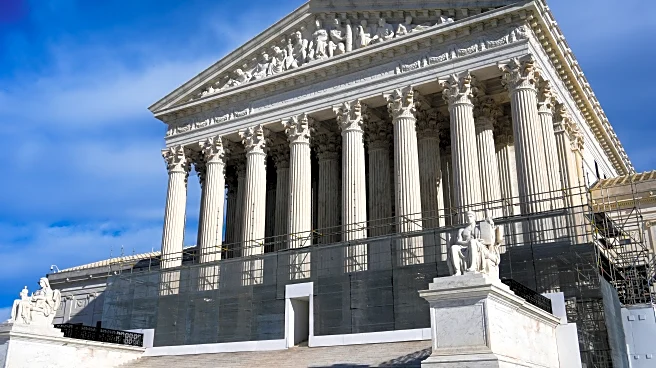
The U.S. Supreme Court has ruled in a 5-4 decision that the U.S. Postal Service is protected from lawsuits even if its employees intentionally fail to deliver mail. This decision stems from a case involving Texas landlord Lebene Konan, who alleged that her
mail was deliberately withheld due to racial bias. The court's ruling, authored by Justice Clarence Thomas, upholds a 1946 law that bars lawsuits against the Postal Service for lost, misdirected, or stolen mail, including intentional nondelivery. Both the Biden and Trump administrations supported the court's decision, citing concerns that allowing such lawsuits could lead to a surge in litigation against the Postal Service.
Why It's Important?
This ruling has significant implications for the U.S. Postal Service and its operations. By shielding the Postal Service from lawsuits related to intentional nondelivery, the decision prevents a potential flood of litigation that could have strained the agency's resources. The Postal Service handles approximately 113 billion pieces of mail annually and receives numerous complaints about lost mail. The ruling also highlights the challenges individuals face in seeking redress for grievances against federal agencies, particularly when claims of intentional misconduct are involved. The decision underscores the balance between protecting government agencies from excessive litigation and ensuring accountability for their actions.
What's Next?
The ruling may prompt further discussions on the legal protections afforded to federal agencies and the potential need for legislative changes to address intentional misconduct. Stakeholders, including civil rights groups and legal experts, may advocate for reforms to ensure accountability while maintaining the operational efficiency of the Postal Service. Additionally, the decision could influence future cases involving federal agency immunity and the scope of legal protections under existing laws.