
What's Happening?
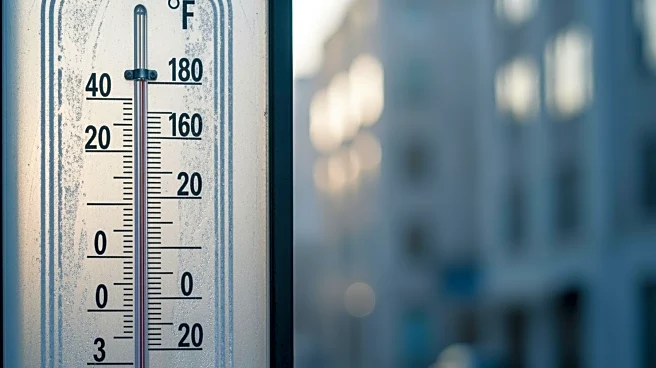
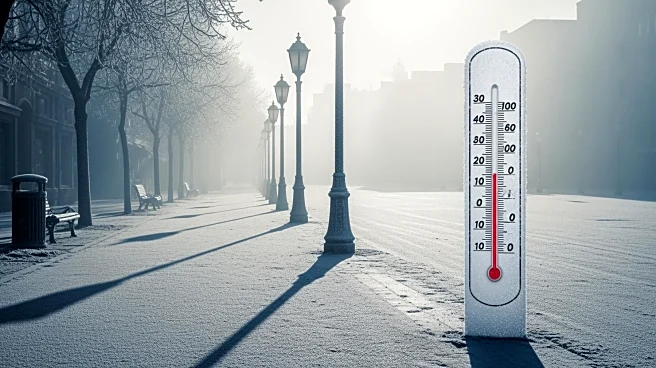
New York City has experienced a temporary respite from a prolonged period of sub-freezing temperatures, as the mercury rose to 34 degrees Fahrenheit on Monday. This marks the end of a nine-day streak of temperatures below 32 degrees, a situation not seen
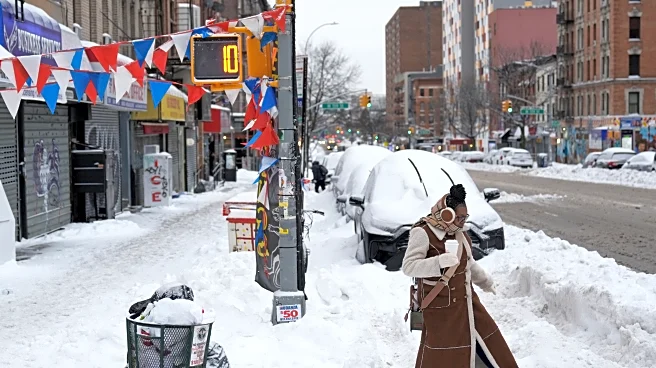
since January 2018. Despite this brief warm-up, meteorologists warn that the city is not out of the woods yet. AccuWeather senior meteorologist John Feerick has indicated that temperatures will not rise significantly above freezing in the coming days. An Arctic blast is expected to bring another round of deep freeze conditions by the end of the week, with temperatures potentially dropping to the teens over the weekend. Additionally, there is a forecast for snow flurries on Tuesday night and possible snow squalls on Friday, which could lead to messy travel conditions.
Why It's Important?
The ongoing cold spell in New York City has significant implications for residents and city services. The extreme weather conditions have already resulted in at least 16 deaths, with hypothermia being a major cause. The city's infrastructure and public services are also under strain, as the Department of Sanitation continues to manage snow removal and other weather-related challenges. The potential for further snow and freezing temperatures could exacerbate these issues, affecting transportation and daily life for millions of New Yorkers. The situation highlights the need for effective emergency response and support systems to protect vulnerable populations during extreme weather events.
What's Next?
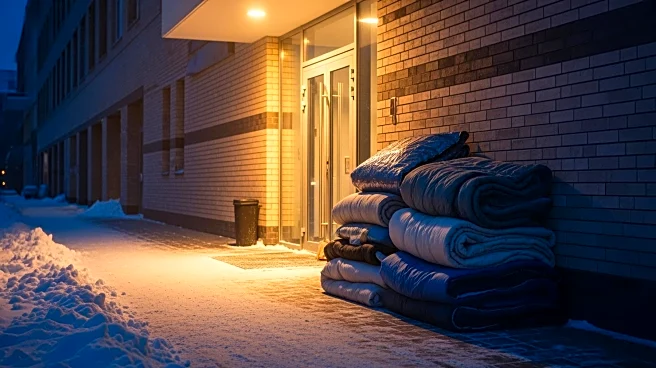
As New York City braces for another wave of cold weather, city officials and residents must prepare for potential disruptions. The forecasted Arctic blast and snow squalls could lead to hazardous travel conditions, necessitating caution and preparedness. City services, including snow removal and emergency response teams, will need to remain vigilant to manage the impact of the weather. Residents are advised to stay informed about weather updates and take necessary precautions to ensure their safety. The city may also need to provide additional resources and support for those most affected by the cold, including the homeless and those without adequate heating.