


What's Happening?
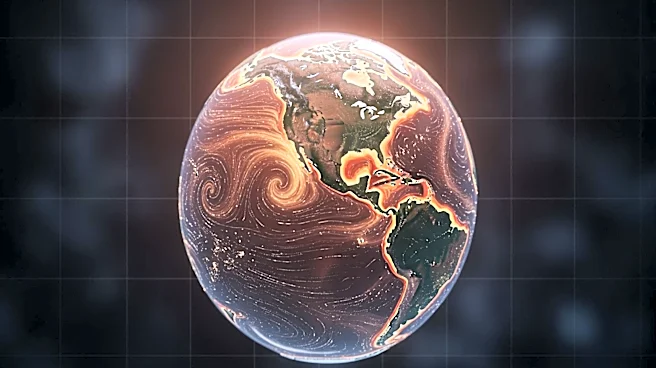
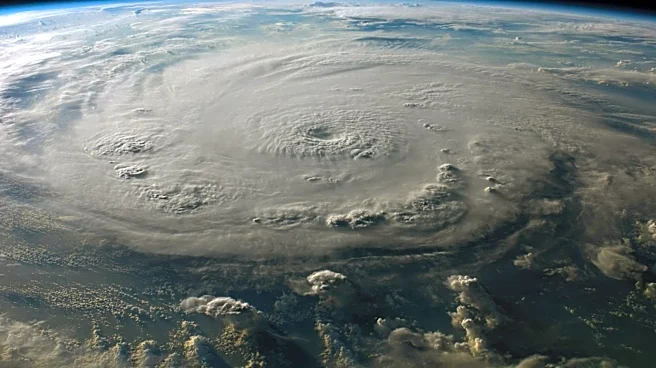
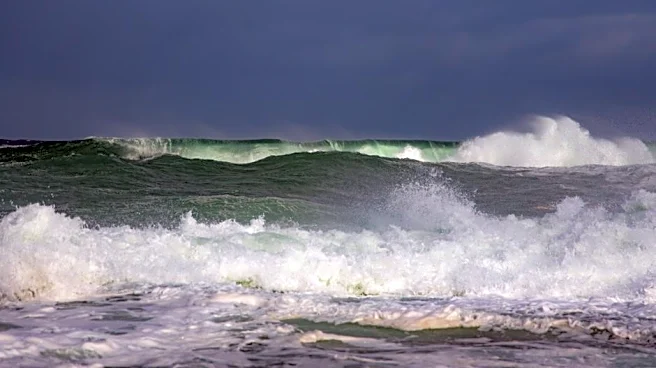
The 2026 Atlantic hurricane season has commenced with expectations of below-average tropical cyclone activity. This forecast is largely influenced by a developing El Niño pattern over the Pacific Ocean, which is anticipated to strengthen throughout the summer
and fall. The El Niño-Southern Oscillation typically generates significant wind shear across the Atlantic basin, disrupting thunderstorm organization and tropical cyclone development. Additionally, cooler water temperatures in parts of the tropical Atlantic further reduce the likelihood of cyclone formation. NOAA's seasonal outlook predicts eight to 14 named storms, including three to six hurricanes and one to three major hurricanes. Despite these predictions, forecasters emphasize that seasonal outlooks do not specify potential landfall locations.
Why It's Important?
The forecast of below-average hurricane activity is significant for regions typically affected by Atlantic storms, as it may reduce the risk of severe weather events and associated damage. This could lead to lower economic costs related to storm preparedness and recovery efforts. However, the unpredictability of landfall locations means that communities must remain vigilant and prepared for potential impacts. The strengthening El Niño pattern also highlights the interconnectedness of global weather systems, as changes in the Pacific can influence conditions in the Atlantic. This underscores the importance of monitoring and understanding climate patterns to anticipate and mitigate their effects.
What's Next?
As the El Niño pattern continues to develop, forecasters will closely monitor its impact on weather conditions across the Atlantic and Pacific basins. The first named storm of the season, Arthur, is expected to form around June 20, with the first hurricane typically not forming until August. While the Pacific basin is predicted to experience an active year, with potential storms Amanda and Boris, the Atlantic basin's reduced activity may shift focus to the Pacific. Communities in regions prone to cyclones, such as Hawaii, Mexico, and parts of Central America, should remain alert to potential threats.