


What's Happening?
Astronauts aboard space missions face unique challenges when it comes to hygiene, particularly in managing waste in zero gravity. During the Apollo 10 mission in 1969, astronauts encountered 'floaters,' or floating feces, which became a humorous yet serious
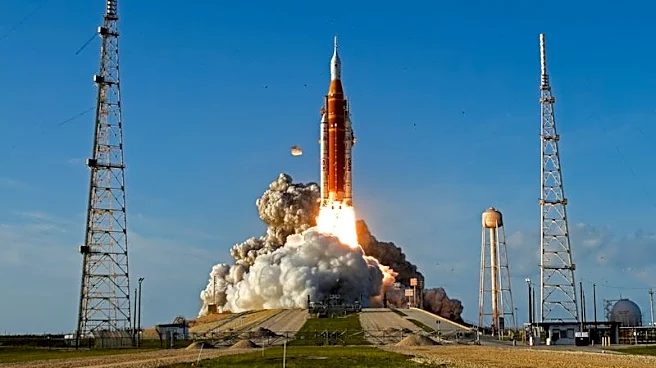
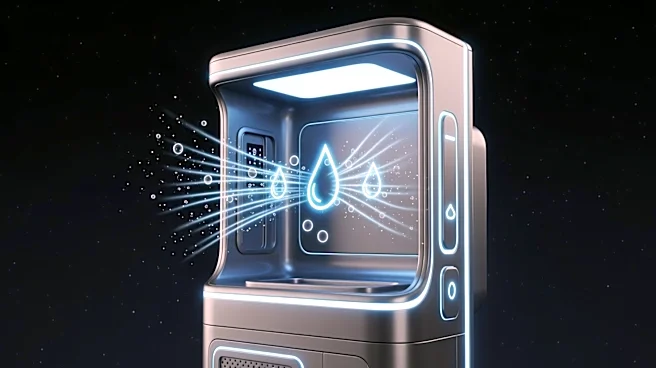
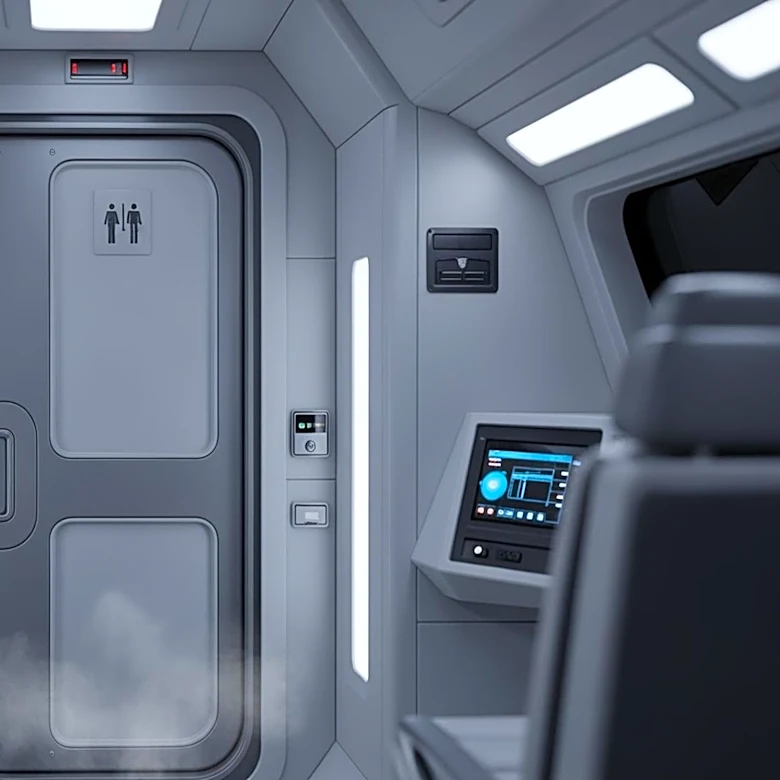
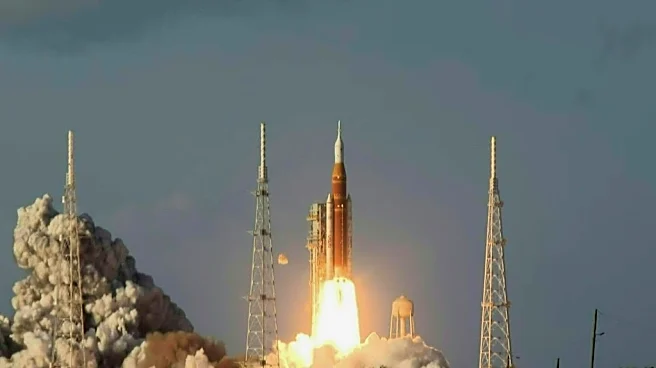
issue. The current Artemis II mission, which launched from Florida, has introduced improved facilities, including a 'lunar loo' that uses suction to manage waste. Canadian astronaut Jeremy Hansen explained that feces are stored in canisters until the crew returns to Earth, while urine is expelled into space. These advancements highlight the ongoing efforts to improve living conditions for astronauts in space.
Why It's Important?
The development of effective waste management systems in space is crucial for the health and safety of astronauts. As space missions become longer and more complex, such as potential missions to Mars, ensuring that astronauts can maintain hygiene is essential. These systems also reflect broader technological advancements in space travel, which can have implications for future missions and the potential for human settlement beyond Earth. The ability to manage waste efficiently in space is a key component of sustainable space exploration.
What's Next?
As space agencies continue to plan for longer missions, including potential manned missions to Mars, further innovations in space hygiene are expected. These advancements will likely focus on improving the efficiency and reliability of waste management systems. Additionally, the experiences and feedback from current missions like Artemis II will inform future designs and technologies. Collaboration between international space agencies may also play a role in developing standardized systems for use in joint missions.