



What's Happening?
Health professionals, including infectious disease specialists from the Cleveland Clinic and the Virginia Department of Health, emphasize the importance of getting vaccinated against the flu to reduce the risk of severe illness. The Centers for Disease
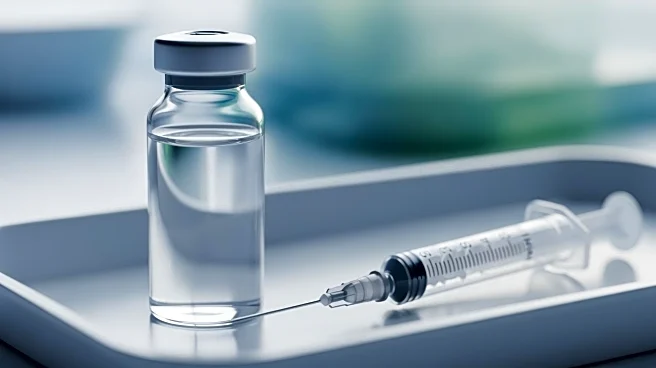
Control and Prevention (CDC) supports this advice, stating that the flu vaccine is the best method to prevent seasonal flu and its complications. The recommended time for vaccination is September or October, but experts assure that it is still beneficial to get vaccinated later in the season. The flu season typically runs from October through April, with peak activity in January and February. The CDC clarifies that flu vaccines, whether administered via needle or nasal spray, cannot cause flu illness. The vaccines are made with inactivated viruses or weakened live viruses that do not cause illness.
Why It's Important?
The flu vaccine plays a crucial role in public health by preventing severe cases of influenza, which can lead to hospitalization and even death. By reducing the incidence of flu, vaccines help alleviate the burden on healthcare systems, especially during peak flu season. The effectiveness of the flu vaccine varies each year, depending on the match between the vaccine strains and circulating viruses. For the 2024-2025 season, the vaccine was 56% effective, marking a significant improvement over previous years. This effectiveness is measured by comparing health outcomes in vaccinated versus unvaccinated individuals. The widespread adoption of flu vaccination can lead to fewer cases of severe illness, reduced healthcare costs, and a healthier population overall.
What's Next?
As the flu season progresses, health authorities will continue to monitor the effectiveness of the current vaccines and adjust recommendations as needed. Public health campaigns may intensify to encourage vaccination among populations that are at higher risk of severe flu complications, such as the elderly and those with underlying health conditions. Healthcare providers will likely continue to advocate for vaccination as a preventive measure, emphasizing its role in protecting both individuals and communities. Ongoing research and data collection will inform future vaccine formulations to improve effectiveness and coverage.